
THE HYDRATION PILLAR
The Hydration and Performance Guide
Most sports drinks are built around sodium and thirst. NutraLife leads with potassium, the electrolyte that actually determines how well your cells retain water, delivered at the same disclosed dose in every can.

Hydration is one of NutraLife's three clinical pillars, alongside blood flow and recovery. That placement is deliberate. Athletic hydration is not the same problem as daily water intake, and treating it as an afterthought to a sports drink formula misses the mechanism that actually determines whether the water an athlete drinks reaches the cells that need it.
Why Hydration Is a Clinical Pillar, Not Just Water Intake
Water consumption and cellular hydration are not the same outcome. An athlete can drink adequate water volume and still be functionally under-hydrated at the cellular level if the electrolyte gradients that draw water into cells are not maintained. This is the distinction that separates a genuinely functional hydration formula from a beverage that simply contains water and a trace of sodium.
The clinical case for treating hydration as a formula pillar, on equal footing with blood flow and recovery, is that all three systems depend on the same underlying physiology: circulation, cellular transport, and the electrolyte and vascular environment that determines how effectively nutrients and fluid move through the body. A formula that addresses blood flow and recovery without addressing cellular hydration is treating two-thirds of an integrated system.
What Determines Cellular Hydration
Water moves across cell membranes by osmosis, from an area of lower electrolyte concentration toward an area of higher electrolyte concentration, until equilibrium is reached. Potassium is the primary intracellular electrolyte. The sodium-potassium pump, a membrane protein present in every cell, actively maintains a high potassium concentration inside cells and a high sodium concentration outside, creating the electrochemical gradient that draws water into cells and keeps it there.
Most commercial sports drinks are formulated around sodium, which stimulates thirst and supports extracellular fluid retention. That is a legitimate function, but it addresses only one side of the hydration equation. Without adequate potassium, the intracellular gradient that pulls water into cells is weaker, and water consumed does not fully reach the tissue that needs it. For the complete mechanism, see How electrolytes hydrate at the cellular level.
Why the NutraLife Electrolyte Profile Leads With Potassium
NutraLife's Electrolyte Complex delivers six electrolytes per serving: Potassium 700mg, Magnesium 120mg, Calcium 75mg, Sodium 40mg, Zinc 10mg, and Vitamin C 70mg. Potassium at 700mg is the largest figure in the formula, and that ratio is inverted from most commercial sports drinks, which typically lead with 200 to 400mg of sodium and 100 to 150mg of potassium.
The inversion is intentional. NutraLife is formulated for daily consistent use, not acute thirst-driven rehydration during a single event. A potassium-forward profile supports the intracellular water retention that matters across a full training week, not just the fluid spike that sodium and glucose produce immediately after a sports drink is consumed. Magnesium at 120mg contributes a second function most sports beverages omit entirely: it is a cofactor in over 300 enzymatic reactions, including the calcium-magnesium balance that governs the muscle contraction-relaxation cycle. For the complete ingredient breakdown, see the Electrolyte Complex ingredient page.
Why Climate and Training Frequency Change the Hydration Demand
Heat stress is not determined by temperature alone. Humidity determines how effectively sweat can evaporate and cool the body, and in high-humidity conditions, sweat rate increases to compensate for impaired evaporative cooling, which increases electrolyte loss proportionally. In Florida training conditions, sweat rate can reach 1.5 to 2 liters per hour, and each liter carries a meaningful sodium and potassium deficit that must be replaced for cellular hydration gradients to remain intact.
Sweat electrolyte concentration also varies significantly between individuals, a variability documented across independent sweat testing research, which is one reason a single fixed electrolyte target does not fit every athlete equally. What is consistent across the research is that athletes training at high frequency in demanding climates accumulate electrolyte deficits across sessions if daily replenishment does not keep pace with daily loss. For the Florida-specific breakdown of this mechanism, see Why Florida athletes need a year-round hydration strategy.
How to Evaluate a Hydration Product Label
Most hydration and sports drink labels do not disclose enough information to evaluate whether the formula addresses cellular hydration or only acute thirst response. Three checks apply. First, confirm the electrolyte panel includes potassium, magnesium, calcium, sodium, and zinc individually, not grouped inside a proprietary blend with only a combined weight. Second, check the potassium-to-sodium ratio. A formula leading with sodium is optimized for thirst stimulation. A formula leading with potassium, as NutraLife does at 700mg potassium against 40mg sodium, is optimized for cellular hydration.
Third, check for excess sugar without functional purpose. Some glucose supports the sodium-glucose cotransporter mechanism that improves intestinal water absorption, but large amounts of added sugar in a hydration product typically indicate caloric contribution rather than functional formulation. NutraLife contains zero sugar. For the complete label-reading framework, see How to choose a functional hydration drink: the label reading guide.
How Hydration Connects to Blood Flow and Recovery
Hydration does not operate as an isolated system in the NutraLife formula. Adequate potassium levels support vascular smooth muscle tone, which complements the nitric oxide-driven vasodilation that Nitrosigine® and L-Citrulline provide from the blood flow pillar. Magnesium supports the same vascular compliance and smooth muscle relaxation mechanisms. And cellular hydration status affects how efficiently nutrients reach tissue during the recovery window that KSM-66® Ashwagandha's cortisol management supports.
These are not three separate products bundled together. They are three points of the same underlying physiology, addressed in a single formula. For the blood flow mechanism, see The Complete Guide to Nitric Oxide for Athletes. For the recovery mechanism, see The Recovery and Adaptogens Guide.
The Two-Serving Daily Protocol
NutraLife is designed for two servings daily. At two servings, the Electrolyte Complex delivers 1,400mg potassium, 240mg magnesium, 150mg calcium, 80mg sodium, 20mg zinc, and 140mg Vitamin C across the day, a complete daily electrolyte contribution rather than a single-session loading dose. Consistent daily intake is what maintains the cellular hydration baseline between training sessions, which matters more for athletes training at high frequency than any single pre-workout or post-workout dose.
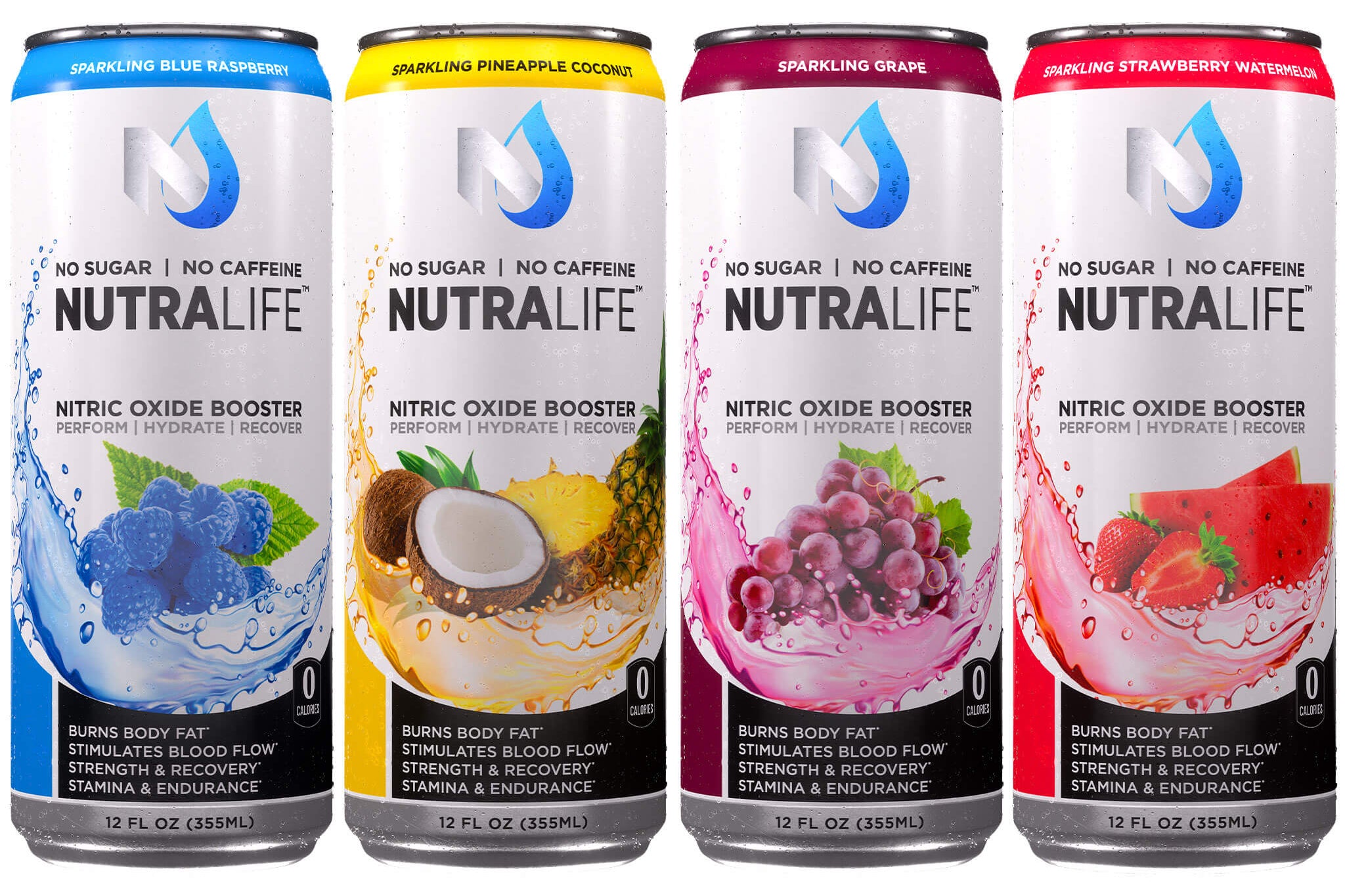
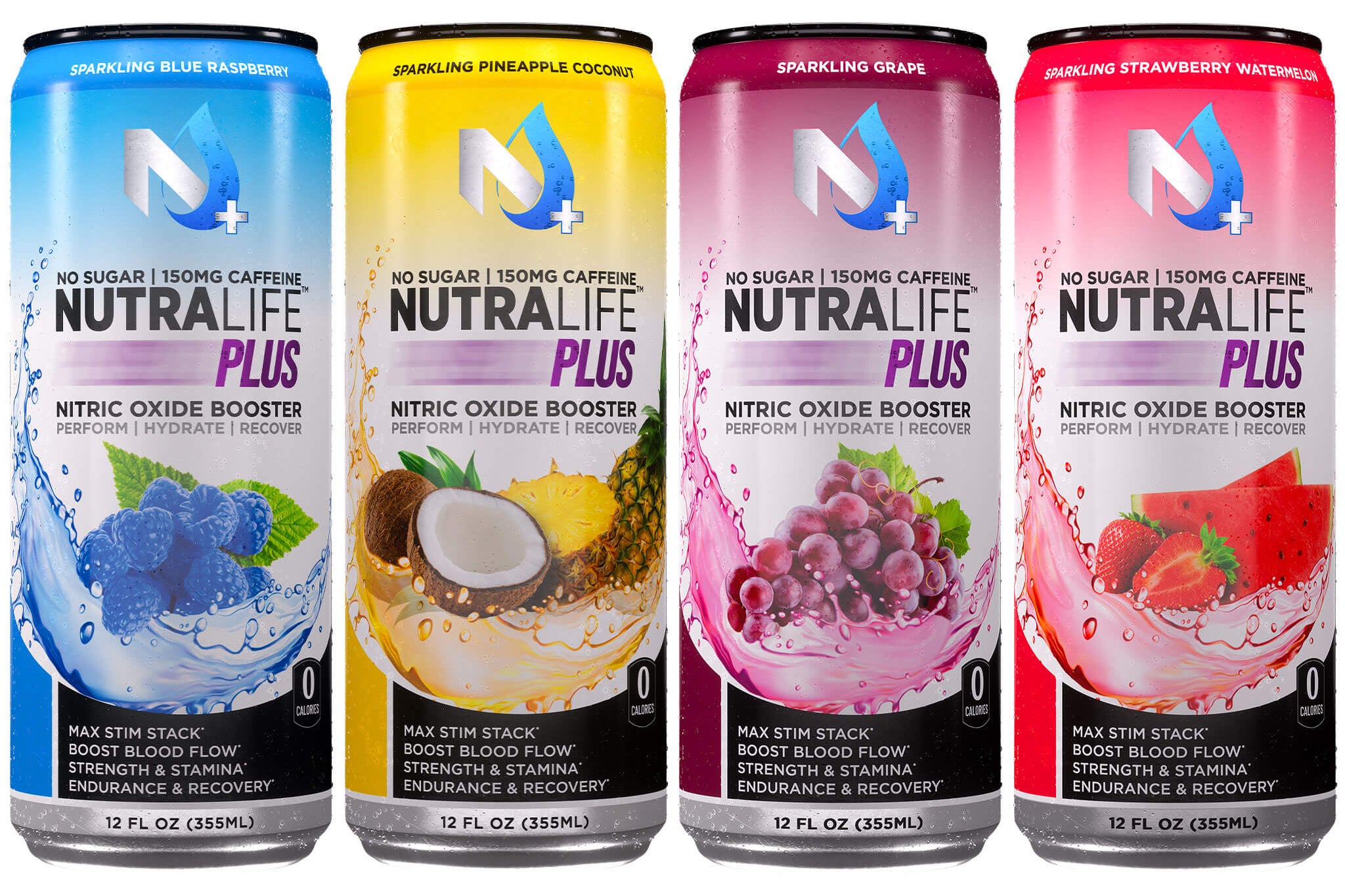
NutraLife is the caffeine-free formula, appropriate at any time of day. NutraLife Plus carries the identical hydration, blood flow, and recovery formula with 60mg Dynamine® and 150mg caffeine added for training days. The hydration pillar is present in every can of both products, at the same doses, every time. The complete formula breakdown is on The NutraLife Formula page.
KEY TAKEAWAYS
Got Questions
Frequently Asked Questions
What is cellular hydration and how is it different from just drinking water?
Why does NutraLife's electrolyte profile lead with potassium instead of sodium?
How much of each electrolyte does NutraLife deliver at two servings daily?
Why do Florida and other high-humidity climates increase hydration demand?
What should I look for on a hydration drink label?
How does hydration connect to the blood flow and recovery pillars in the NutraLife formula?
Can I rely on NutraLife alone for hydration during high-volume training?
REFERENCES
NutraLife ingredient claims are supported by peer-reviewed published research. The following studies were referenced in the development of this page.
2. Baker LB, Stofan JR, Hamilton AA, Horswill CA. Comparison of regional patch collection vs. whole body washdown for measuring sweat sodium and potassium loss during exercise. Journal of Applied Physiology. 2009;107(3):887-895.
3. Baker LB, Barnes KA, Anderson ML, Passe DH, Stofan JR. Normative data for regional sweat sodium concentration and whole-body sweating rate in athletes. Journal of Sports Sciences. 2016;34(4):358-368.
4. Hew-Butler T, Rosner MH, Fowkes-Godek S, et al. Statement of the Third International Exercise-Associated Hyponatremia Consensus Development Conference, Carlsbad, California, 2015. Clinical Journal of Sport Medicine. 2015;25(4):303-320.
*These statements have not been evaluated by the Food and Drug Administration. This product is not intended to diagnose, treat, cure, or prevent any disease.

