
RECOVERY
The Recovery and Adaptogens Guide
Cortisol is the variable most athletes overlook. This guide covers what adaptogens do, what the KSM-66® Ashwagandha research actually shows at the clinical dose, and why daily use produces compounding results that occasional supplementation cannot.

What Are Adaptogens and Why Do Athletes Need Them?
Adaptogens are compounds that help the body maintain physiological balance under stress. The scientific definition is specific: a true adaptogen must be non-toxic at normal doses, produce a non-specific response to multiple types of stress, and normalize physiological function regardless of the direction of the stress-induced change. Not everything marketed as an adaptogen meets these criteria.
For athletes, the relevant stress is training. Consistent high-intensity training elevates cortisol, the primary stress hormone, and keeps it elevated without adequate recovery support. Chronically elevated cortisol impairs muscle protein synthesis, disrupts sleep architecture, and in sustained high states suppresses testosterone production. These are not marginal concerns. They are the mechanisms that determine whether consistent training produces adaptation or accumulated breakdown.
What Is Cortisol and Why Does It Matter for Athletic Performance?
Cortisol is a glucocorticoid hormone produced by the adrenal cortex in response to physical and psychological stress. In the short term, it mobilizes energy, reduces inflammation, and prepares the body to perform under load. This is the adaptive function. The problem athletes face is when training frequency and intensity exceed recovery capacity, keeping cortisol chronically elevated rather than cycling back to baseline between sessions.
Chronically elevated cortisol directly impairs muscle recovery by competing with anabolic signaling pathways. High cortisol reduces insulin-like growth factor 1 (IGF-1) activity and inhibits mTOR-dependent muscle protein synthesis. The athlete trains consistently. Cortisol stays elevated. The anabolic response is blunted. Recovery slows. Progress stalls despite maintained training volume.
Cortisol management is not a wellness goal for athletes. It is a performance prerequisite. For athletes training three or more times per week, unaddressed cortisol accumulation is a direct impediment to the adaptation that training is designed to produce.
What Is KSM-66 Ashwagandha and How Does It Differ from Standard Ashwagandha?
KSM-66® is a proprietary ashwagandha root extract standardized to a minimum of 5% withanolides, produced from root material only using a patented water-based extraction process. The root-only sourcing matters: the bioactive compound profile in ashwagandha root differs from whole-plant preparations, and the clinical research on KSM-66® is conducted on this specific extract at specific doses, not on generic ashwagandha products.
Generic ashwagandha supplements vary significantly in extract concentration, plant part sourced, and active compound content. A label listing "ashwagandha 300mg" without specifying KSM-66® may use a different extract with a different withanolide concentration and a different evidence base. The dose number alone is not sufficient to determine whether a product delivers the outcomes documented in KSM-66®'s clinical research record.
KSM-66® has one of the most extensive proprietary clinical research records of any ashwagandha extract, with independent human trials documenting its effects on cortisol, testosterone, physical performance, sleep quality, and cognitive function. See the KSM-66® Ashwagandha ingredient page for the full clinical evidence breakdown. For a closer look at how KSM-66® compares to generic ashwagandha extracts on the market, see What Is KSM-66 Ashwagandha and why it matters for athletes.
What the Cortisol Research Actually Shows
Published research on KSM-66® Ashwagandha at 300mg daily documents a 27.9% reduction in serum cortisol levels in stressed adults over an 8-week protocol. This is the most consistently cited cortisol outcome for ashwagandha supplementation in peer-reviewed literature, and it is the KSM-66® result specifically, not a generalized ashwagandha result.
Two things about this stat require precise qualification. First, it is documented at 300mg daily, not at a single serving. NutraLife delivers 150mg per can. Two servings per day reaches 300mg. This is why two servings daily is the recommended protocol and why this stat always requires the two-serving qualifier. One can does not reach the research dose. Two cans do.
Second, the testosterone outcomes documented in some KSM-66® research are secondary effects of cortisol reduction rather than direct androgenic activity. When cortisol normalizes, the suppression of testosterone production that high cortisol drives is reduced. The mechanism is hormonal balance through stress adaptation, not testosterone stimulation. Understanding the mechanism protects the claim and sets accurate expectations. For a deeper look at how cortisol and testosterone interact during recovery, see Cortisol, testosterone, and recovery: what the research shows.
Why the Timing Myth Gets in the Way
Post-workout recovery supplements are a large category built on the premise that recovery happens specifically in the window after training ends. Adaptogens are sometimes incorrectly placed in this frame. KSM-66® Ashwagandha is not a post-workout recovery agent with an acute mechanism. It is a daily HPA axis regulation compound whose effects compound over weeks of consistent use.
The 8-week protocols in KSM-66® research do not specify timing relative to training sessions because the mechanism, HPA axis normalization and cortisol reduction, operates continuously across the full day, not in a single post-training window. Taking ashwagandha only on heavy training days or after workouts misses the cumulative effect the clinical research documents. Consistent daily intake across training and recovery days is what builds the benefit over time. See why adaptogens belong in your daily stack, not just post-workout for the full breakdown of why timing matters less than consistency.
NutraLife is designed to be consumed at any time of day. There is no wrong timing. The blood flow benefit from Nitrosigine® has a 30-minute onset that matters for pre-training use. The KSM-66® benefit compounds regardless of when during the day each serving is consumed. Two servings across the day, timed to preference, reach the clinical dose without requiring a specific window.
How NutraLife Integrates Recovery Into the Daily Performance System
Recovery is not a post-workout product in the NutraLife system. It is a built-in property of the daily performance baseline. KSM-66® Ashwagandha at the clinical dose, the dual nitric oxide system for blood flow and nutrient delivery to muscle, and the full Electrolyte Complex for cellular hydration are all present in every can. Two servings daily activates all three pillars simultaneously.
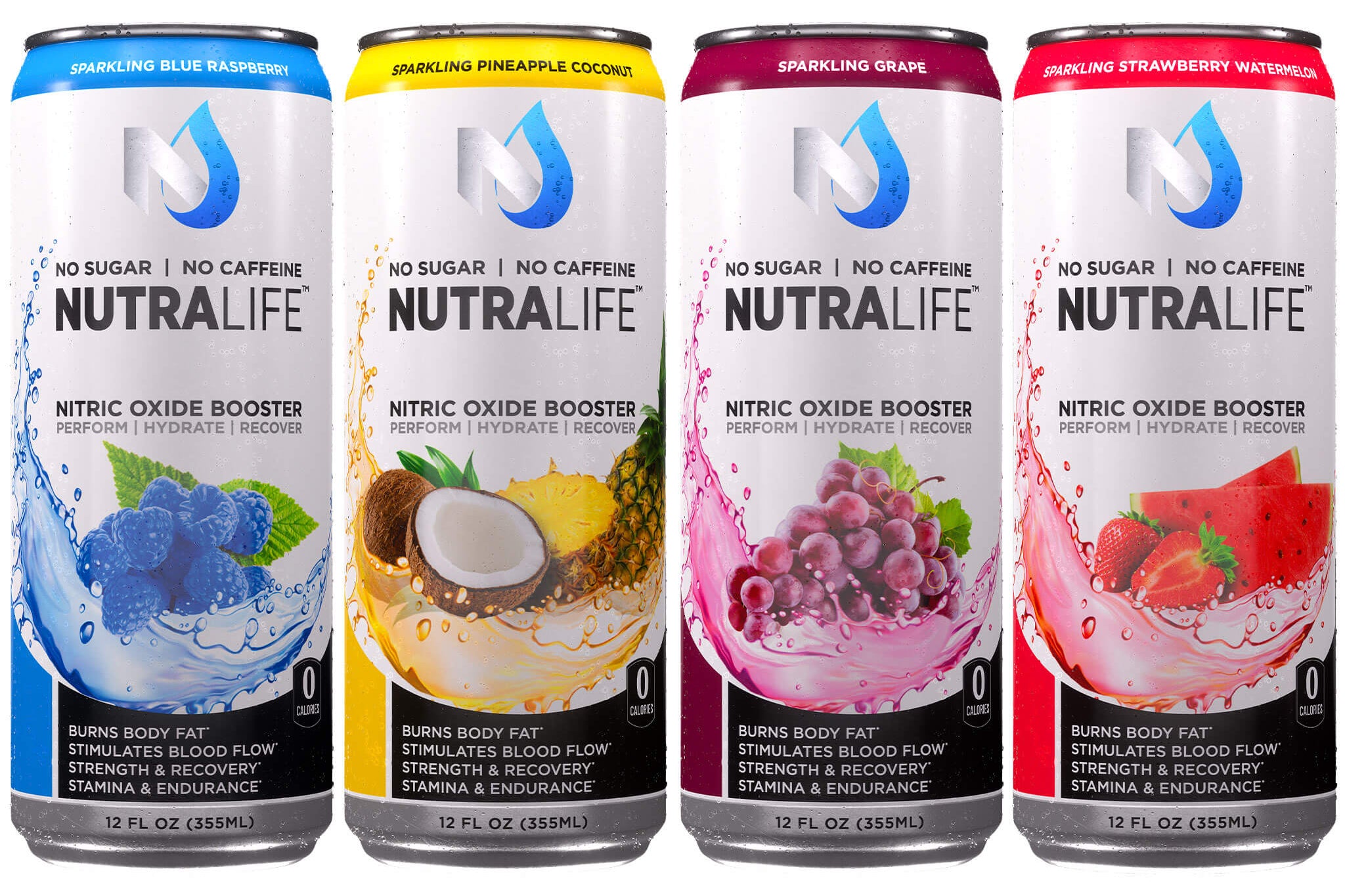
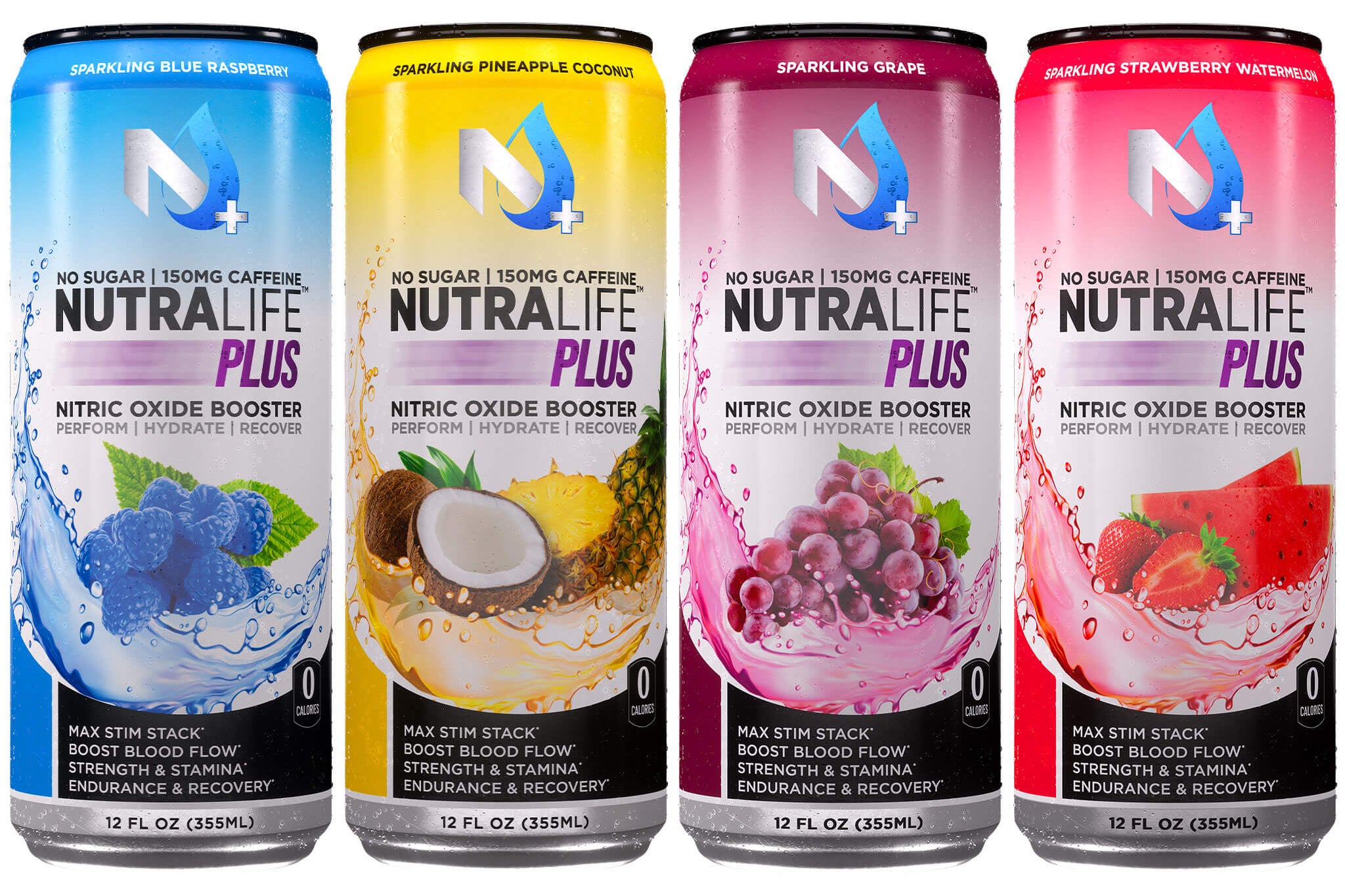
NutraLife is the caffeine-free version, appropriate at any time of day for the full recovery and performance baseline. NutraLife Plus carries the same complete formula with the clean energy layer added for training days. The recovery system is not removed or reduced in NutraLife Plus. Both products are built on the same clinical foundation.
For athletes who train consistently, the compounding effect of daily cortisol management alongside consistent blood flow and hydration support creates a performance baseline that single-session supplementation cannot replicate. The complete formula breakdown is on The NutraLife Formula page.
For more on how the nitric oxide system and blood flow recovery work alongside the adaptogen layer, see The Complete Guide to Nitric Oxide for Athletes.
KEY TAKEAWAYS
Got Questions
Frequently Asked Questions
What are adaptogens and how do they support athletic recovery?
What is cortisol and why does it matter for athletic performance?
What is KSM-66 Ashwagandha and how is it different from standard ashwagandha?
What does the 27.9% cortisol reduction stat actually mean?
How long does KSM-66 Ashwagandha take to work?
Can athletes take KSM-66 Ashwagandha every day?
How does NutraLife use adaptogens in its daily performance system?
REFERENCES
NutraLife ingredient claims are supported by peer-reviewed published research. The following studies were referenced in the development of this page.
2. Wankhede S, Langade D, Joshi K, et al. Examining the effect of Withania somnifera supplementation on muscle strength and recovery: a randomized controlled trial. Journal of the International Society of Sports Nutrition. 2015;12:43.
3. Choudhary B, Shetty A, Langade DG. Efficacy of ashwagandha (Withania somnifera) in improving cardiorespiratory endurance in healthy athletic adults. Ayu. 2015;36(1):63-68.
4. Choudhary D, Bhattacharyya S, Bose S. Efficacy and safety of ashwagandha root extract in improving memory and cognitive functions. Journal of Dietary Supplements. 2017;14(6):599-612.
5. Lopresti AL, Smith SJ, Malvi H, Kodgule R. An investigation into the stress-relieving and pharmacological actions of an ashwagandha extract. Medicine. 2019;98(37):e17186.
6. Ziegenfuss TN, Kedia AW, Sandrock JE, et al. Effects of an aqueous extract of Withania somnifera on strength, body composition, and quality of life in sedentary adults. International Journal of Sport Nutrition and Exercise Metabolism. 2018;28(3):261-272.
7. Sandhu JS, Shah B, Shenoy S, et al. Effects of Withania somnifera and Terminalia arjuna on physical performance and cardiorespiratory endurance in healthy young adults. International Journal of Ayurveda Research. 2010;1(3):144-149.
8. Rogers JM, Gills J, Gray M. Acute effects of Nitrosigine and citrulline malate on vasodilation in young adults. Journal of the International Society of Sports Nutrition. 2020;17:12.
9. Rood-Ojalvo S, Sandler D, Veledar E, Komorowski J. The benefits of inositol-stabilized arginine silicate as a workout ingredient. Journal of the International Society of Sports Nutrition. 2015;12(Suppl 1):P14.
10. Komorowski J, Ojalvo SP. A pharmacokinetic evaluation of the duration of effect of inositol-stabilized arginine silicate and inositol alone. FASEB Journal. 2019;33(1_supplement).
11. Perez-Guisado J, Jakeman PM. Citrulline malate enhances athletic anaerobic performance and relieves muscle soreness. Journal of Strength and Conditioning Research. 2010;24(5):1215-1222.
12. Sapolsky RM, Romero LM, Munck AU. How do glucocorticoids influence stress responses? Integrating permissive, suppressive, stimulatory, and preparative actions. Endocrine Reviews. 2000;21(1):55-89.
*These statements have not been evaluated by the Food and Drug Administration. This product is not intended to diagnose, treat, cure, or prevent any disease.

