
HYDRATION
Why Florida Athletes Need a Year-Round Hydration Strategy
Hydration strategies built around seasonal summer peaks do not apply in Florida. Heat stress conditions, high temperature combined with high humidity, exist for 10 or more months per year. This article covers why Florida training demands a continuous hydration protocol and what consistent daily electrolyte replenishment looks like in practice.

Most hydration strategies are designed around seasonal heat exposure. They peak in summer, taper in fall, and effectively disappear in winter. This approach works in climates where heat stress is genuinely seasonal. It does not work in Florida, where the combination of high temperature and high humidity creates meaningful heat stress conditions for 10 or more months out of the year. Florida athletes training year-round need a hydration strategy that reflects their actual conditions, not a national-average seasonal model.
Why Humidity Changes the Hydration Equation
Heat stress is not determined by temperature alone. The combination of temperature and humidity determines how effectively the body can cool itself through sweat evaporation. Sweat evaporates into air that can accept additional moisture. In a dry, hot climate, evaporation is efficient: sweat evaporates quickly, the skin cools, and the cooling mechanism works. In a humid environment, the air is already carrying significant moisture and cannot readily accept more. Sweat does not evaporate. The cooling mechanism is impaired even when the body is sweating heavily.
The metric that captures this is dew point — the temperature at which air becomes saturated with water vapor. A dew point above 65°F is the threshold at which heat stress becomes significant for athletes. Above 70°F, exercise performance and thermoregulation are materially affected. In Florida, dew points regularly exceed 65°F from April through October, and often persist through November. Temperature-based seasonal models miss the humidity contribution that makes Florida conditions physiologically distinct.
What This Means for Sweat Rate and Electrolyte Loss
Impaired sweat evaporation means the body sweats more to achieve the same cooling effect. Sweat rate in Florida training conditions can reach 1.5 to 2 liters per hour for an athlete training at moderate to high intensity. Sweat contains sodium, potassium, magnesium, chloride, and trace amounts of other electrolytes. Each liter of sweat lost represents a meaningful electrolyte deficit that must be replaced for the cellular hydration gradients to remain intact.
At a sweat rate of 1.5 liters per hour over a 90-minute training session, an athlete loses 2.25 liters of fluid and the electrolytes it carries. Replacing the fluid volume without replacing the electrolytes does not restore the gradients that drive cellular hydration. The potassium deficit in particular — the primary driver of intracellular water retention — is not addressed by sodium-only or water-only rehydration protocols.
For the mechanism of how potassium, magnesium, and sodium interact at the cellular level, see How electrolytes hydrate at the cellular level.
Why Electrolyte Loss Is Cumulative in Back-to-Back Training Days
A single training session in Florida conditions produces a significant electrolyte deficit. If that deficit is not fully replaced before the next session, the athlete starts the following session from a depleted baseline. Training again in the same conditions creates another deficit on top of the existing one. Over consecutive training days, the cumulative deficit compounds.
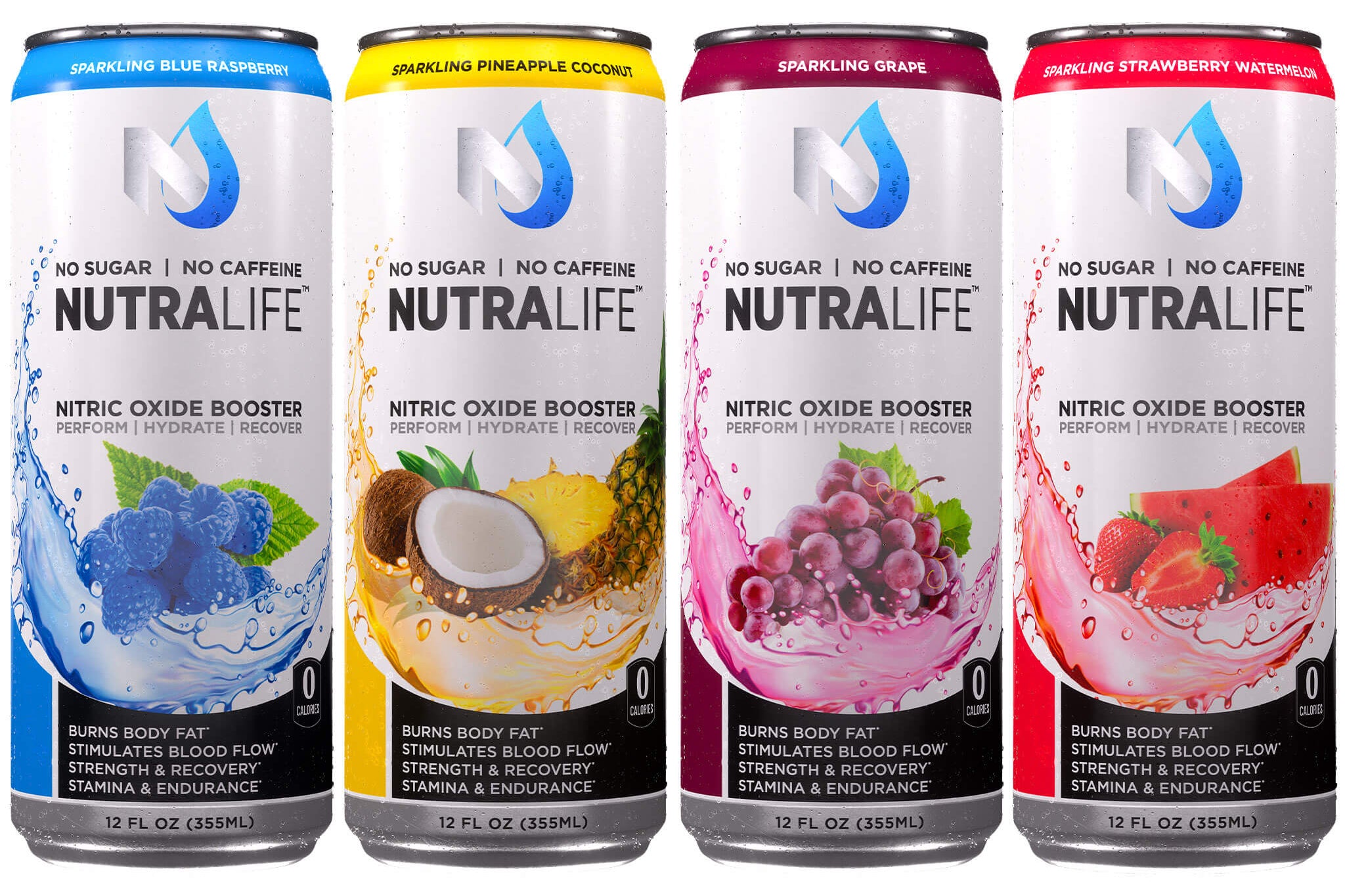
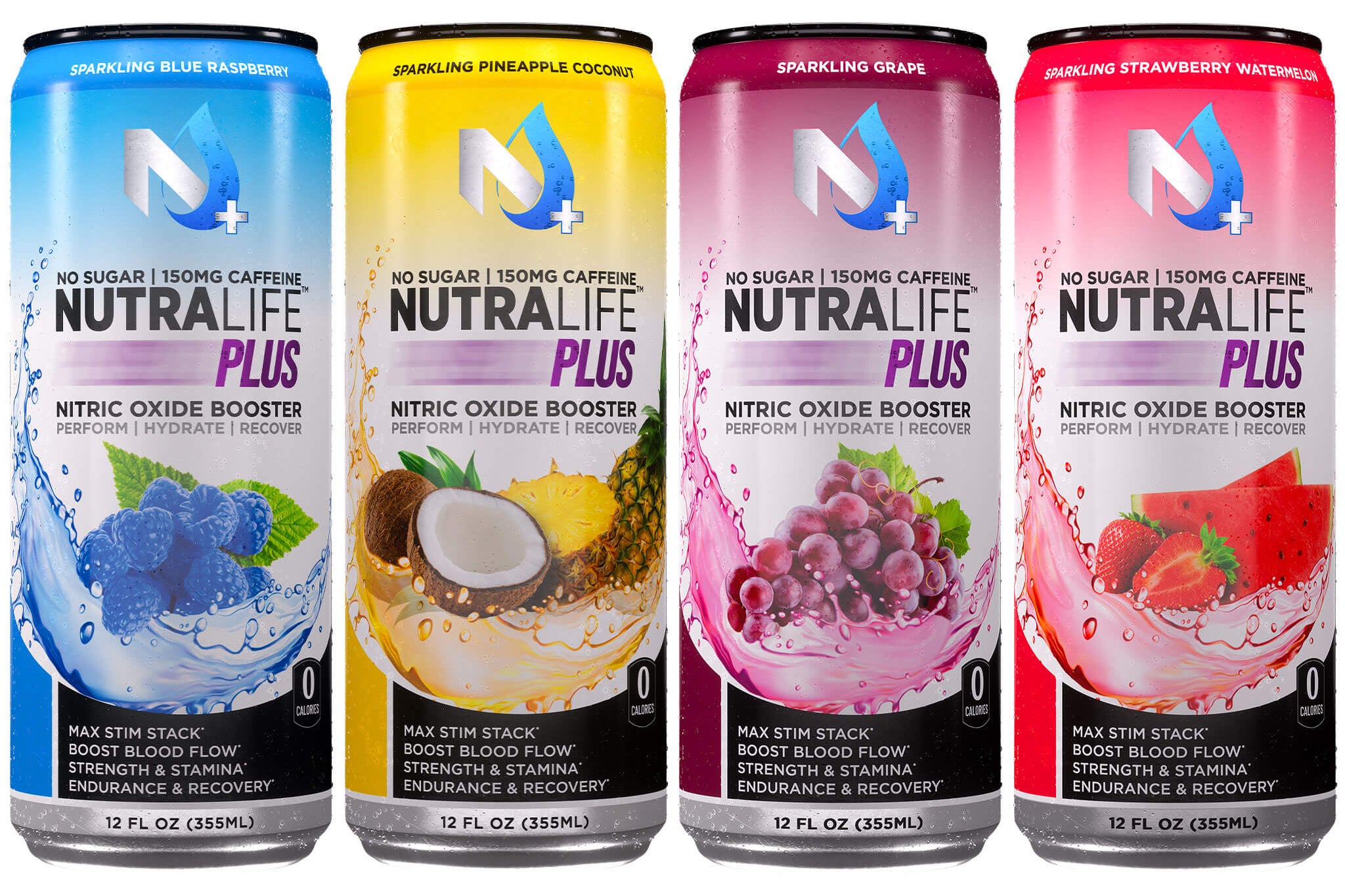
This is why session-specific hydration protocols — rehydrating after training without a consistent daily baseline — are insufficient for athletes who train frequently in Florida's year-round conditions. The deficit is not resolved in the hours between sessions when consistent daily electrolyte replenishment is not happening. NutraLife's two-serving daily protocol provides continuous electrolyte input — 700mg potassium, 120mg magnesium, and a complete supporting electrolyte profile — across both training days and rest days, addressing the cumulative replenishment need rather than just the single-session deficit.
The Year-Round Hydration Protocol for Florida Athletes
Year-round athletes in Florida need a hydration approach that treats electrolyte replenishment as a daily constant rather than a seasonal or event-specific intervention. The specific components that matter are the intracellular electrolytes — primarily potassium and magnesium — that most sports beverages deliver at insufficient levels for athletes training in high-humidity conditions across an extended season.
NutraLife is formulated as a daily-use beverage specifically because daily consistent use is how the electrolyte baseline is maintained. Two servings daily delivers 1,400mg potassium, 240mg magnesium, 150mg calcium, 80mg sodium, 20mg zinc, and 140mg Vitamin C across the day. This is a complete daily electrolyte contribution, not a session-specific loading dose. For a guide to applying a label-reading framework to evaluate functional hydration products, see How to choose a functional hydration drink: the label reading guide.
NutraLife and the Florida Training Context
NutraLife is a Florida brand, formulated for athletes who train in Florida conditions year-round. The electrolyte profile — and specifically the 700mg potassium per serving — reflects the real replenishment demand of training in high humidity, not the seasonal or average-climate model that most national-market sports beverages are built around. The complete electrolyte complex breakdown is on the Electrolyte Complex ingredient page. For the complete hydration pillar framework, see The Hydration and Performance Guide.
KEY TAKEAWAYS
Got Questions
Frequently Asked Questions
How does Florida's humidity affect hydration needs compared to a dry climate?
How much do electrolyte needs increase in Florida training conditions?
Why does consistent daily electrolyte intake matter more than loading before a single event?
REFERENCES
NutraLife ingredient claims are supported by peer-reviewed published research. The following studies were referenced in the development of this page.
2. Maughan RJ, Shirreffs SM. Development of hydration strategies to optimize performance for athletes in high-intensity sports. Scandinavian Journal of Medicine and Science in Sports. 2010;20(Suppl 2):59-69.
3. Casa DJ, Armstrong LE, Hillman SK, et al. National Athletic Trainers' Association position statement: fluid replacement for athletes. Journal of Athletic Training. 2000;35(2):212-224.
4. Stofan JR, Zachwieja JJ, Horswill CA, et al. Sweat and sodium losses in NCAA football players: a precursor to heat cramps? International Journal of Sport Nutrition and Exercise Metabolism. 2005;15(6):641-652.
5. Kenefick RW, Sawka MN. Hydration at the work site. Journal of the American College of Nutrition. 2007;26(5):597S-603S.
6. Montain SJ, Sawka MN, Wenger CB. Hyponatremia associated with exercise: risk factors and pathogenesis. Exercise and Sport Sciences Reviews. 2001;29(3):113-117.
7. Shirreffs SM, Maughan RJ. Volume repletion after exercise-induced volume depletion in humans: replacement of water and sodium losses. American Journal of Physiology. 1998;274(5):F868-F875.
8. Armstrong LE. Assessing hydration status: the elusive gold standard. Journal of the American College of Nutrition. 2007;26(5):575S-584S.
9. Kenefick RW, Cheuvront SN. Hydration for recreational sport and physical activity. Nutrition Reviews. 2012;70(Suppl 2):S137-S142.
10. Volpe SL. Magnesium and the athlete. Current Sports Medicine Reports. 2015;14(4):279-283.
*These statements have not been evaluated by the Food and Drug Administration. This product is not intended to diagnose, treat, cure, or prevent any disease.

