
HYDRATION
How to Choose a Functional Hydration Drink: The Label Reading Guide
The hydration beverage category ranges from flavored water with trace electrolytes to clinically formulated functional beverages with complete electrolyte profiles and additional performance ingredients. The label is the only way to tell which one you are buying. This guide covers what to look for and what to ignore.

Picking a hydration drink from a shelf or a product page is harder than it looks. The category includes everything from water with a trace mineral added to clinically formulated beverages carrying complete electrolyte profiles and performance ingredients at documented doses. The label is the only objective tool available. Knowing what to look for on that label is the difference between buying something that works and buying marketing language in a can.
What Makes a Hydration Drink Functional
The word "functional" has no regulatory definition in the beverage category. Any product can use it. What the word should mean — and what distinguishes a genuinely functional product from a conventional sports drink — is that the formula contains ingredients with documented physiological function beyond basic nutrition, at doses that produce those functions in published clinical research.
For a hydration product, the baseline functional threshold is a complete electrolyte profile at doses that support cellular hydration mechanisms, not just thirst response. A conventional sports drink delivers sodium to stimulate fluid intake and glucose to support energy, with minimal additional electrolytes. A functional hydration product delivers the full electrolyte spectrum, including potassium, magnesium, calcium, and zinc, at doses that maintain the intracellular gradients that determine cellular water retention.
Beyond electrolytes, a truly functional hydration beverage may also carry clinical performance ingredients — nitric oxide precursors for blood flow, adaptogens for recovery support, or other formula elements that address the physiological demands of training alongside hydration. At this level, the product is not a hydration supplement. It is a comprehensive daily performance formula delivered in RTD format.
Reading the Electrolyte Panel on the Label
The first thing to look for on a hydration drink label is the electrolyte panel. A complete functional electrolyte profile should include potassium, magnesium, calcium, sodium, and zinc. The absence of any of these is a meaningful gap in the formula's hydration capability.
Next, check the individual doses. Each electrolyte should have a milligram value listed separately. If electrolytes are grouped inside a proprietary blend with only a collective total, the individual amounts are unknown and the formula cannot be assessed against what physiologically relevant doses look like. This is the same dose transparency test that applies to any supplement label, applied to the hydration category.
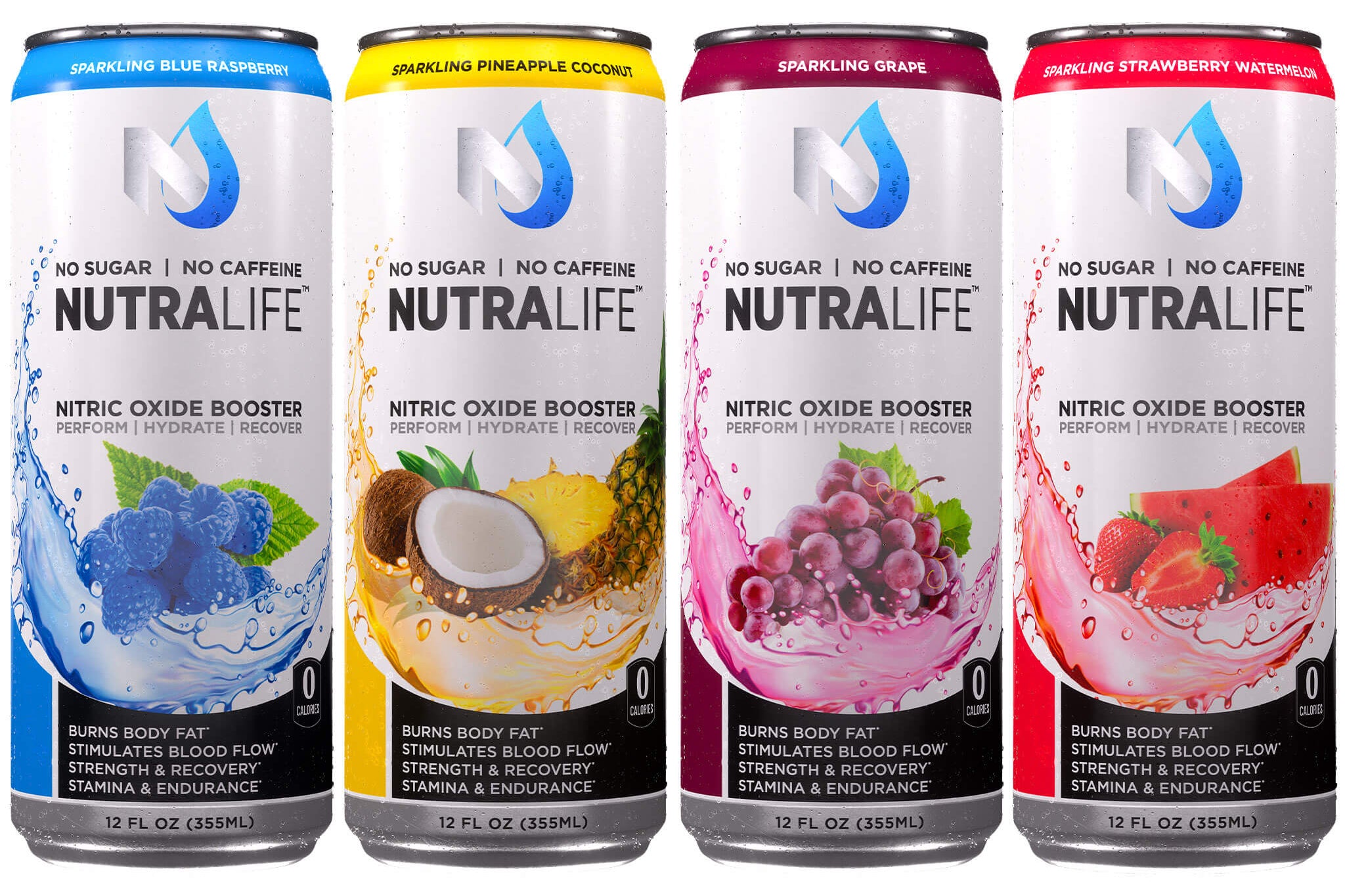
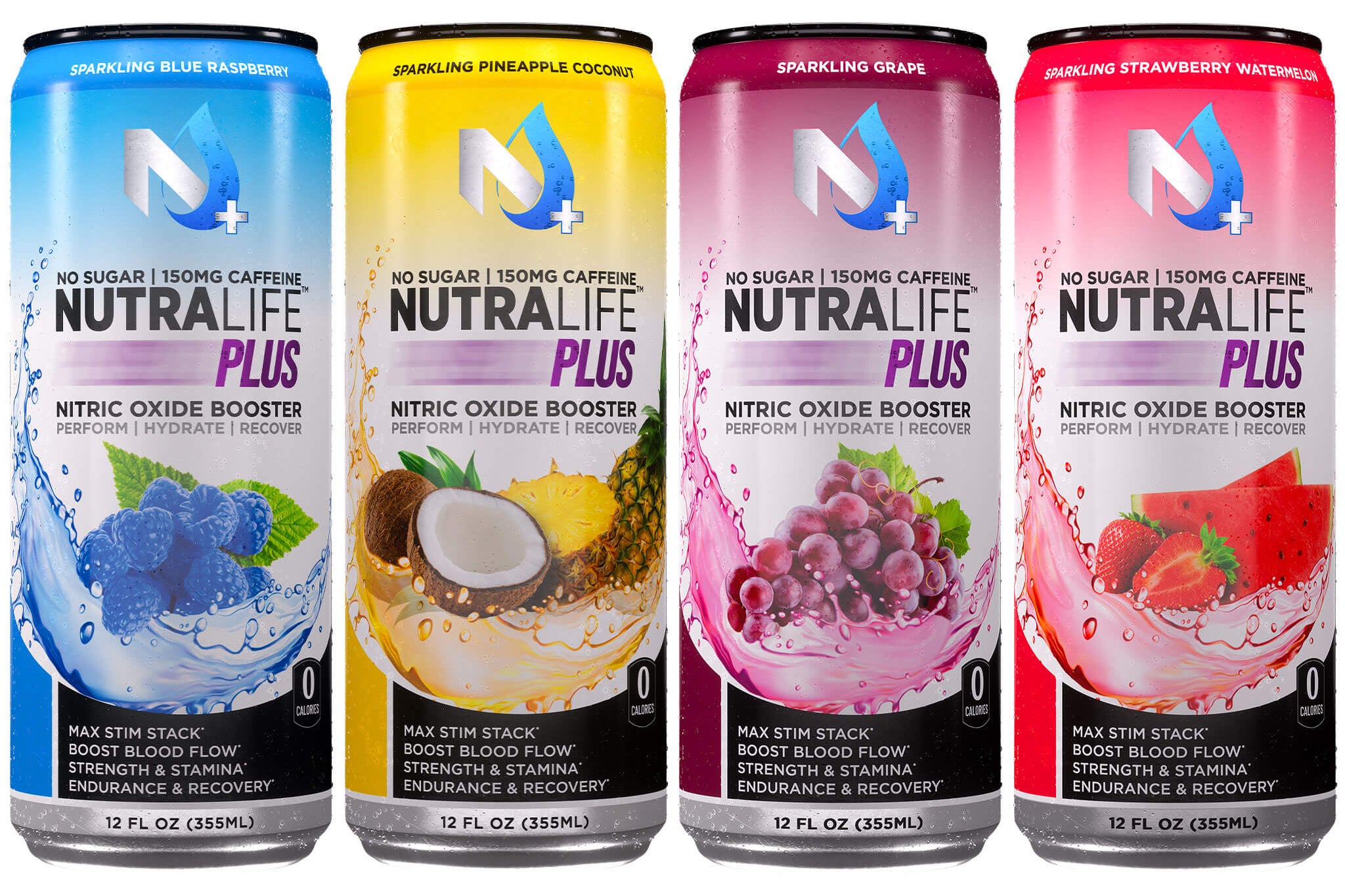
Pay specific attention to the potassium-to-sodium ratio. Sodium drives thirst and extracellular fluid retention. Potassium drives intracellular water retention. A product with 300mg sodium and 50mg potassium is optimized for thirst stimulation and acute fluid intake. A product with 700mg potassium and 40mg sodium — the NutraLife profile — is optimized for cellular hydration and daily electrolyte baseline maintenance. These are functionally different products, and the ratio is what distinguishes them on the label.
Identifying Red Flags
Several label patterns indicate a product that prioritizes appearance over function.
A long ingredient list with no individual doses. A "hydration blend" or "electrolyte complex" listed without the milligram values of each component is a proprietary blend. The total weight tells you nothing about whether any individual electrolyte is present at a functional amount.
High sugar content without a functional reason. Some glucose in a hydration product supports the sodium-glucose cotransporter mechanism that improves intestinal water absorption. Large amounts of sugar in a hydration product typically indicate caloric contribution rather than functional hydration design.
Artificial colors listed prominently. The color of a beverage has no hydration function. Artificial dye content is a formulation choice that occupies label space without contributing to the formula's functional purpose.
Electrolytes listed in mcg rather than mg. Trace mineral amounts in micrograms may contribute to overall micronutrient intake but do not operate at the dose levels relevant to athletic hydration replenishment. The distinction matters when comparing products.
What Full-Formula Functional Looks Like
A hydration drink that also carries clinical performance ingredients at clinical doses is a different category entirely from a sports drink. The label test is the same: individual ingredient names, individual dose numbers, no proprietary blend concealment. But the scope of what the label should show is broader.
NutraLife's label shows Nitrosigine® at 1,500mg, L-Citrulline at 1,000mg, KSM-66® Ashwagandha at 150mg, Potassium at 700mg, Magnesium at 120mg, Calcium at 75mg, Sodium at 40mg, Zinc at 10mg, and Vitamin C at 70mg — all by name and number in the fully disclosed formula. For the complete formula breakdown, see The NutraLife Formula page. For the full cellular hydration mechanism, see How electrolytes hydrate at the cellular level. For Florida-specific context on year-round hydration demand, see Why Florida athletes need a year-round hydration strategy. For the complete hydration pillar framework, see The Hydration and Performance Guide.
KEY TAKEAWAYS
Got Questions
Frequently Asked Questions
What is the difference between a sports drink and a functional hydration drink?
What electrolytes should a functional hydration drink include?
How can I tell if a hydration drink is actually functional or just flavored water with electrolytes?
REFERENCES
NutraLife ingredient claims are supported by peer-reviewed published research. The following studies were referenced in the development of this page.
2. Maughan RJ, Shirreffs SM. Development of hydration strategies to optimize performance for athletes in high-intensity sports. Scandinavian Journal of Medicine and Science in Sports. 2010;20(Suppl 2):59-69.
3. Nielsen FH, Lukaski HC. Update on the relationship between magnesium and exercise. Magnesium Research. 2006;19(3):180-189.
4. Kenefick RW, Cheuvront SN. Hydration for recreational sport and physical activity. Nutrition Reviews. 2012;70(Suppl 2):S137-S142.
5. Shirreffs SM, Maughan RJ. Volume repletion after exercise-induced volume depletion in humans: replacement of water and sodium losses. American Journal of Physiology. 1998;274(5):F868-F875.
6. Stofan JR, Zachwieja JJ, Horswill CA, et al. Sweat and sodium losses in NCAA football players. International Journal of Sport Nutrition and Exercise Metabolism. 2005;15(6):641-652.
7. Volpe SL. Magnesium and the athlete. Current Sports Medicine Reports. 2015;14(4):279-283.
8. Convertino VA, Armstrong LE, Coyle EF, et al. American College of Sports Medicine position stand: exercise and fluid replacement. Medicine and Science in Sports and Exercise. 1996;28(1):i-vii.
9. Rogers JM, Gills J, Gray M. Acute effects of Nitrosigine and citrulline malate on vasodilation in young adults. Journal of the International Society of Sports Nutrition. 2020;17:12.
10. Chandrasekhar K, Kapoor J, Anishetty S. A prospective, randomized double-blind study on safety and efficacy of a high-concentration full-spectrum extract of ashwagandha root in reducing stress and anxiety in adults. Indian Journal of Psychological Medicine. 2012;34(3):255-262.
*These statements have not been evaluated by the Food and Drug Administration. This product is not intended to diagnose, treat, cure, or prevent any disease.

