
HYDRATION
How Electrolytes Hydrate at the Cellular Level
Water and electrolytes perform different functions in the hydration process. Water provides the medium. Electrolytes determine how much of that water enters cells and stays there. This article covers the electrochemical mechanism of cellular hydration and why the electrolyte profile in a functional beverage matters as much as the water volume.

Water is essential for hydration, but water alone does not determine how well hydrated cells are. Cellular water retention — the amount of water inside cells and available for metabolic function — depends on electrolyte concentration gradients across cell membranes. Potassium, sodium, magnesium, and calcium create the electrochemical environment that draws water into cells and determines how much of it stays there. Without adequate electrolytes, water consumed does not fully reach the cells that need it.
The Osmosis Mechanism and Why Electrolytes Drive It
Water moves across cell membranes by osmosis: from an area of lower solute concentration toward an area of higher solute concentration, until equilibrium is reached. In the context of cellular hydration, this means water moves into cells when the concentration of electrolytes inside the cell is higher than the concentration outside.
Potassium is the primary intracellular electrolyte. The sodium-potassium pump in cell membranes actively maintains a high potassium concentration inside cells and a high sodium concentration outside, creating the electrochemical gradient that drives water into cells and maintains cellular volume. When potassium levels are insufficient, this gradient weakens, reducing the osmotic drive that pulls water into cells. The cell becomes less hydrated even when total body water intake is adequate.
Sodium operates on the extracellular side of this equation. Most sports drinks are formulated primarily around sodium because it stimulates thirst, which increases fluid consumption, and because sodium loss through sweat is significant during exercise. These are valid functions. But sodium-heavy formulation without adequate potassium does not address the intracellular hydration gradient that determines how effectively consumed water reaches and stays in cells.
What Happens When You Drink Water Without Electrolytes
Plain water consumption during high-volume exercise dilutes plasma electrolyte concentration. As plasma sodium and potassium drop, the body compensates by increasing renal water excretion to restore electrolyte balance. The practical effect is that some of the water consumed passes through the system without contributing to cellular hydration. In high-volume, high-duration exercise, this can progress to hyponatremia — dangerously low sodium from excessive plain water intake — though this threshold is well above normal exercise conditions.
Below the clinical threshold, the ordinary consequence of electrolyte-depleted hydration is reduced cellular water retention, which manifests as impaired muscle function, reduced power output, and the experience of still feeling thirsty after drinking significant water volume. The cells are not hydrated. The fluids are there, but the gradients that draw them in are not being maintained.
The NutraLife Electrolyte Profile and Why It Is Designed Differently
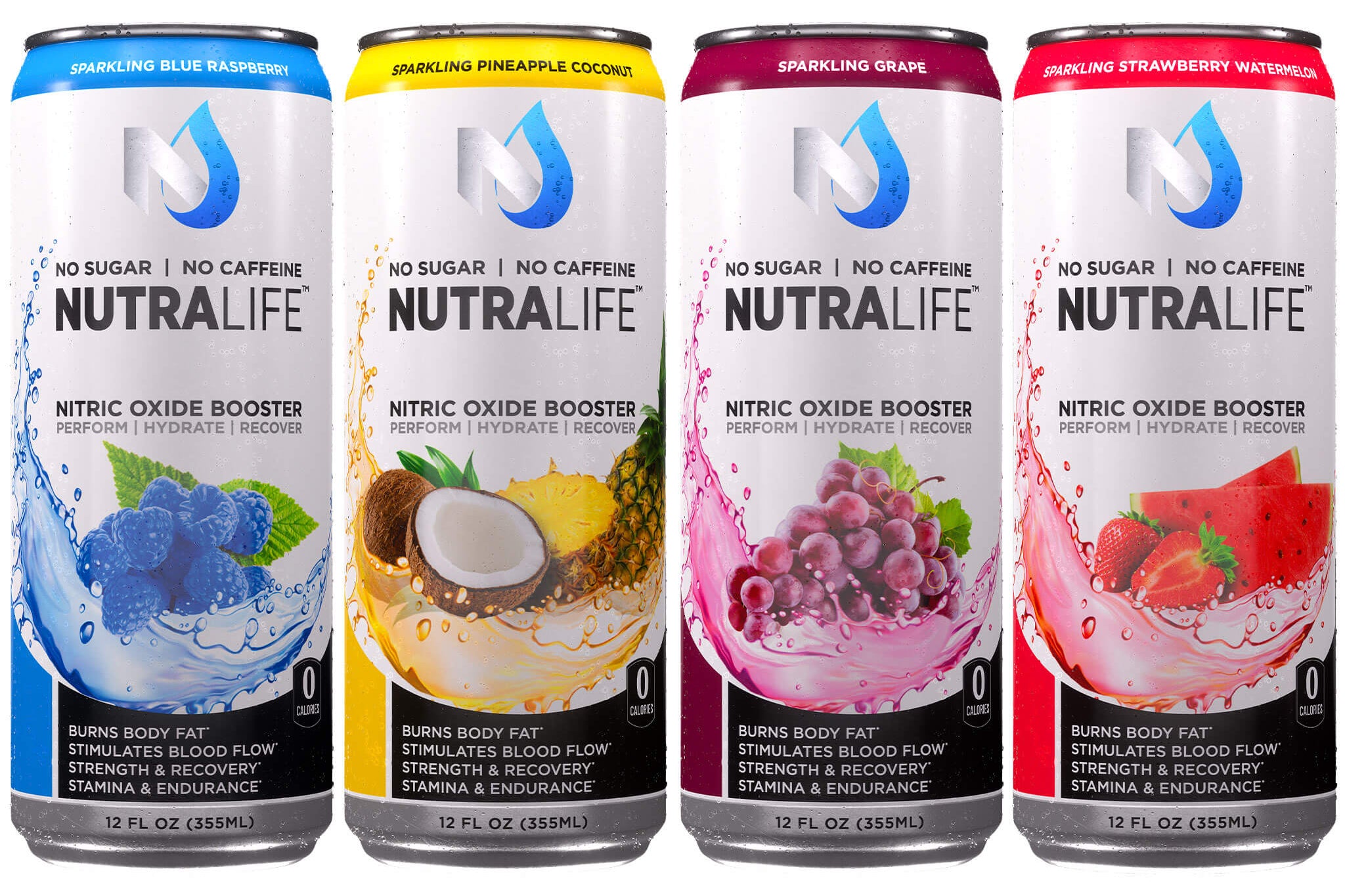
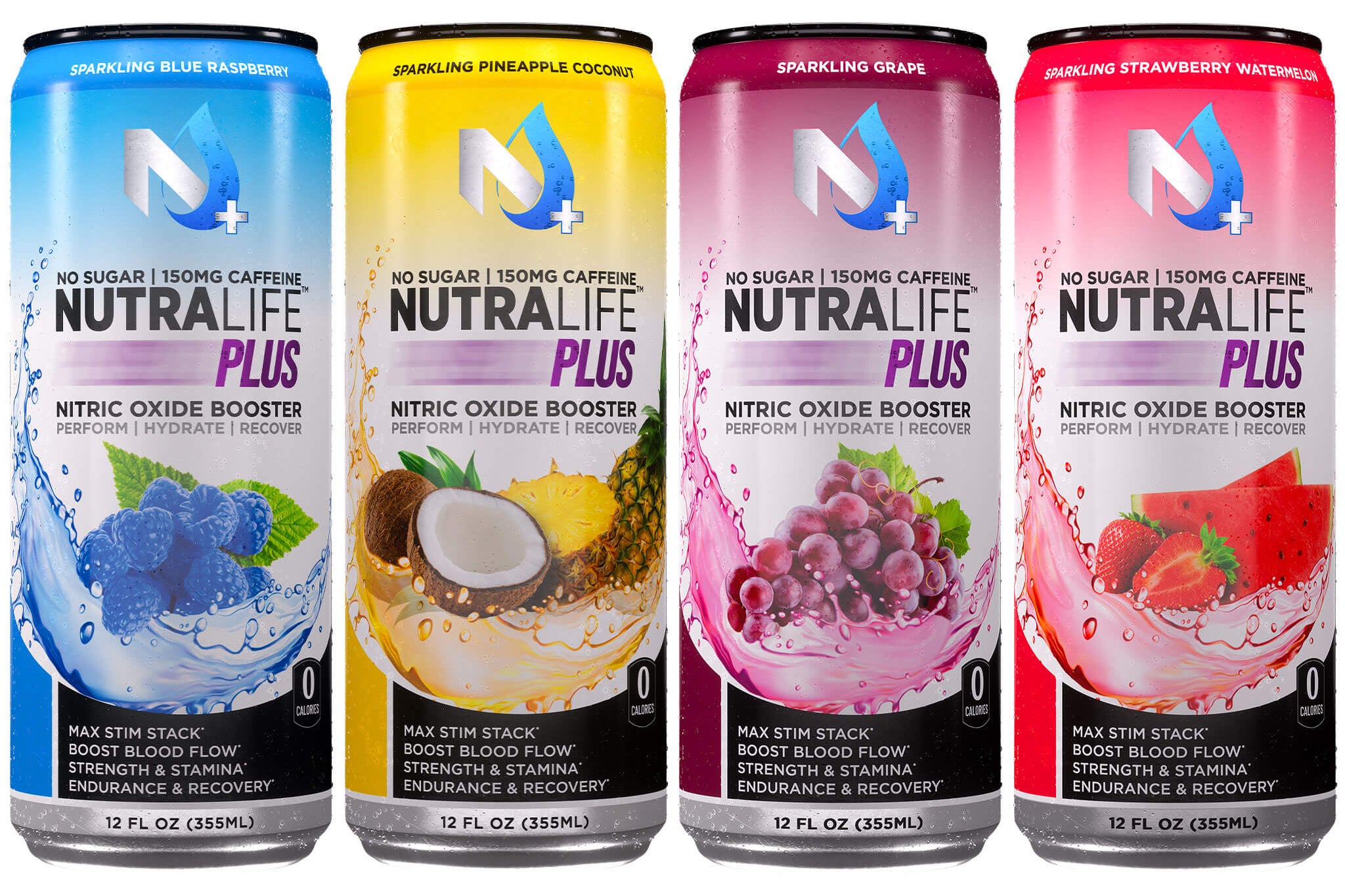
NutraLife's electrolyte profile delivers Potassium at 700mg, Magnesium at 120mg, Sodium at 40mg, Calcium at 75mg, Zinc at 10mg, and Vitamin C at 70mg per serving. These proportions reflect a cellular hydration priority rather than a thirst-stimulation or acute rehydration priority.
Potassium at 700mg is the highest figure in the formula. Most commercial sports drinks contain 100-150mg of potassium while leading with 200-400mg of sodium. The NutraLife ratio is inverted from that convention because the formula is designed for daily consistent hydration support in athletes who need intracellular water retention maintained across training sessions, not a thirst spike that drives immediate fluid consumption.
Magnesium at 120mg addresses a function that most sports beverages omit. Magnesium is a cofactor in over 300 enzymatic reactions in the body, including ATP synthesis. It also plays a direct role in muscle relaxation: the calcium-magnesium balance determines the contraction-relaxation cycle in muscle fibers. Athletes who train at high frequency deplete magnesium through sweat at rates that diet alone often does not fully replace. At 120mg per serving, NutraLife provides a meaningful daily magnesium contribution alongside its cellular hydration function.
For a complete breakdown of the electrolyte complex and the role of each component, see the Electrolyte Complex ingredient page.
Electrolytes and Athletic Performance: The Connection to Blood Flow
Proper cellular hydration also supports the blood flow system. Adequate potassium levels maintain vascular smooth muscle tone, which complements the nitric oxide-driven vasodilation that Nitrosigine® and L-Citrulline support from the formula's blood flow pillar. Magnesium supports the same vascular compliance and smooth muscle relaxation mechanisms. These are not isolated systems. Hydration, blood flow, and recovery are integrated physiological processes, and the NutraLife formula addresses them together in a single daily product.
For the complete framework on how to evaluate a functional hydration product, see How to choose a functional hydration drink: the label reading guide. For the Florida-specific context on year-round hydration demand, see Why Florida athletes need a year-round hydration strategy. For the complete hydration pillar framework, see The Hydration and Performance Guide.
KEY TAKEAWAYS
Got Questions
Frequently Asked Questions
Why isn't plain water enough for athlete hydration?
What role does potassium play in hydration compared to sodium?
What makes a functional hydration drink different from a regular sports drink?
REFERENCES
NutraLife ingredient claims are supported by peer-reviewed published research. The following studies were referenced in the development of this page.
2. Maughan RJ, Shirreffs SM. Development of hydration strategies to optimize performance for athletes in high-intensity sports. Scandinavian Journal of Medicine and Science in Sports. 2010;20(Suppl 2):59-69.
3. Nielsen FH, Lukaski HC. Update on the relationship between magnesium and exercise. Magnesium Research. 2006;19(3):180-189.
4. Shirreffs SM, Maughan RJ. Volume repletion after exercise-induced volume depletion in humans: replacement of water and sodium losses. American Journal of Physiology. 1998;274(5):F868-F875.
5. Kenefick RW, Cheuvront SN. Hydration for recreational sport and physical activity. Nutrition Reviews. 2012;70(Suppl 2):S137-S142.
6. Montain SJ, Sawka MN, Wenger CB. Hyponatremia associated with exercise: risk factors and pathogenesis. Exercise and Sport Sciences Reviews. 2001;29(3):113-117.
7. Zhang Y, Xun P, Wang R, et al. Can magnesium enhance exercise performance? Nutrients. 2017;9(9):946.
8. Volpe SL. Magnesium and the athlete. Current Sports Medicine Reports. 2015;14(4):279-283.
9. Stofan JR, Zachwieja JJ, Horswill CA, et al. Sweat and sodium losses in NCAA football players: a precursor to heat cramps? International Journal of Sport Nutrition and Exercise Metabolism. 2005;15(6):641-652.
10. Convertino VA, Armstrong LE, Coyle EF, et al. American College of Sports Medicine position stand: exercise and fluid replacement. Medicine and Science in Sports and Exercise. 1996;28(1):i-vii.
*These statements have not been evaluated by the Food and Drug Administration. This product is not intended to diagnose, treat, cure, or prevent any disease.

