
RECOVERY
Why Adaptogens Belong in Your Daily Stack, Not Just Post-Workout
Adaptogens do not work like stimulants or protein. There is no pre-workout window, no post-workout anabolic spike, and no acute effect from a single dose. This article covers how adaptogens actually produce their documented benefits, and why daily consistent dosing is the only protocol consistent with the published research.

Adaptogens are not stimulants, and they are not post-workout recovery proteins. They do not produce an acute effect from a single dose, they do not have a pre-workout window, and there is no anabolic spike to capture in the hours after training. They work through a fundamentally different mechanism than any other category of performance ingredient. Understanding that mechanism is what explains why daily consistent dosing produces the outcomes in published research that pre-workout or post-workout single doses do not.
How Adaptogens Actually Work: The HPA Axis
The HPA axis is the hypothalamic-pituitary-adrenal signaling cascade that governs the cortisol stress response. The hypothalamus detects stress input (physical, psychological, or physiological) and sends signaling hormones to the pituitary. The pituitary sends ACTH (adrenocorticotropic hormone) to the adrenal glands. The adrenal glands release cortisol. This is the stress response pathway, and it operates continuously in proportion to the stress load the body perceives.
Adaptogens like KSM-66® modulate this axis. They do not block cortisol acutely. They influence how the HPA axis responds to stress inputs over time. The mechanism is not fully characterized at the molecular level, but the functional outcome is well-documented: consistent daily use produces a lower cortisol set-point, meaning the body produces less cortisol in response to the same level of stress than it would without supplementation.
This process does not happen in a single dose. Published research protocols on KSM-66® run 8-12 weeks because the HPA axis modulation is a slow, cumulative adaptation. The cortisol reduction documented at 300mg daily (27.9% in published research) is the result of sustained daily use, not a response that appears after a single serving.
Why Pre-Workout and Post-Workout Timing Is the Wrong Framework
Pre-workout timing logic assumes an ingredient needs to be present in the bloodstream at the moment of training to produce its effect. This is correct for stimulants, nitric oxide precursors, and most performance ingredients where the effect is acute and tied to the training session. KSM-66® does not work this way. Whether you take it before training, after training, or at a different time of day entirely, the relevant mechanism, HPA axis modulation, is not tied to the training session itself.
Post-workout timing logic assumes an anabolic window where certain ingredients are more effective at supporting muscle repair when consumed close to training. This is also not the operative mechanism for adaptogens. Cortisol management is not a post-workout event. The stress response operates throughout the day, including on non-training days and during sleep.
The correct framework is simply: consistent daily dosing. KSM-66® taken consistently every day, at any time, produces the HPA axis adaptation that generates the documented cortisol outcomes. Inconsistent dosing, such as taking it on training days but not rest days or only post-workout, does not replicate the daily supplementation protocols that published research is built on.
The Case for Daily Adaptogen Support at High Training Frequencies
Athletes training 4 or more days per week accumulate cortisol input from multiple sessions each week. Rest days exist within that accumulation, but they are not long enough to fully resolve the HPA axis loading that comes from high-frequency training. For this athlete profile, adaptogen support is most valuable as a continuous daily practice, something that operates in the background of both training days and rest days, managing the cumulative stress pattern rather than reacting to individual training sessions.
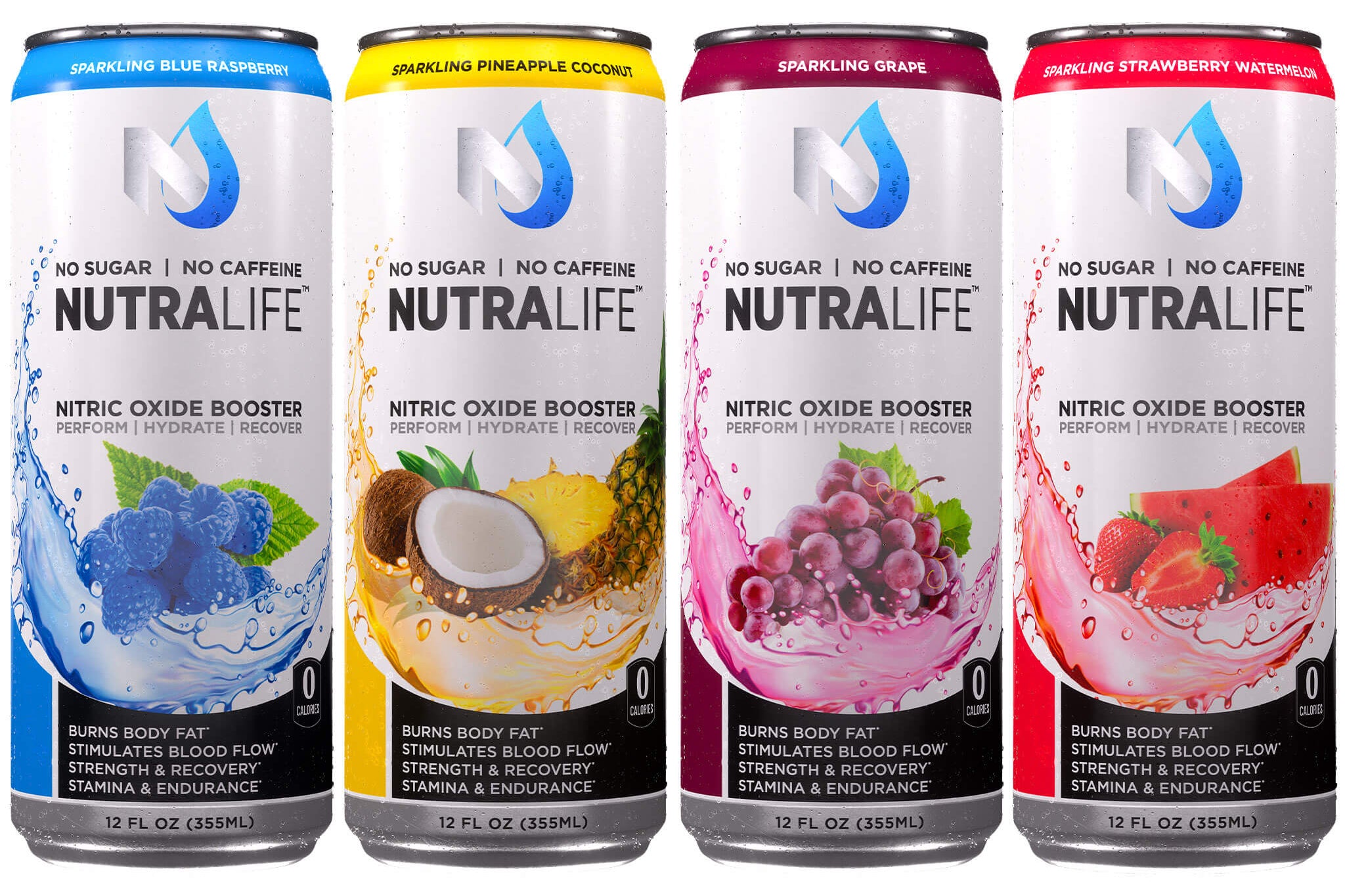
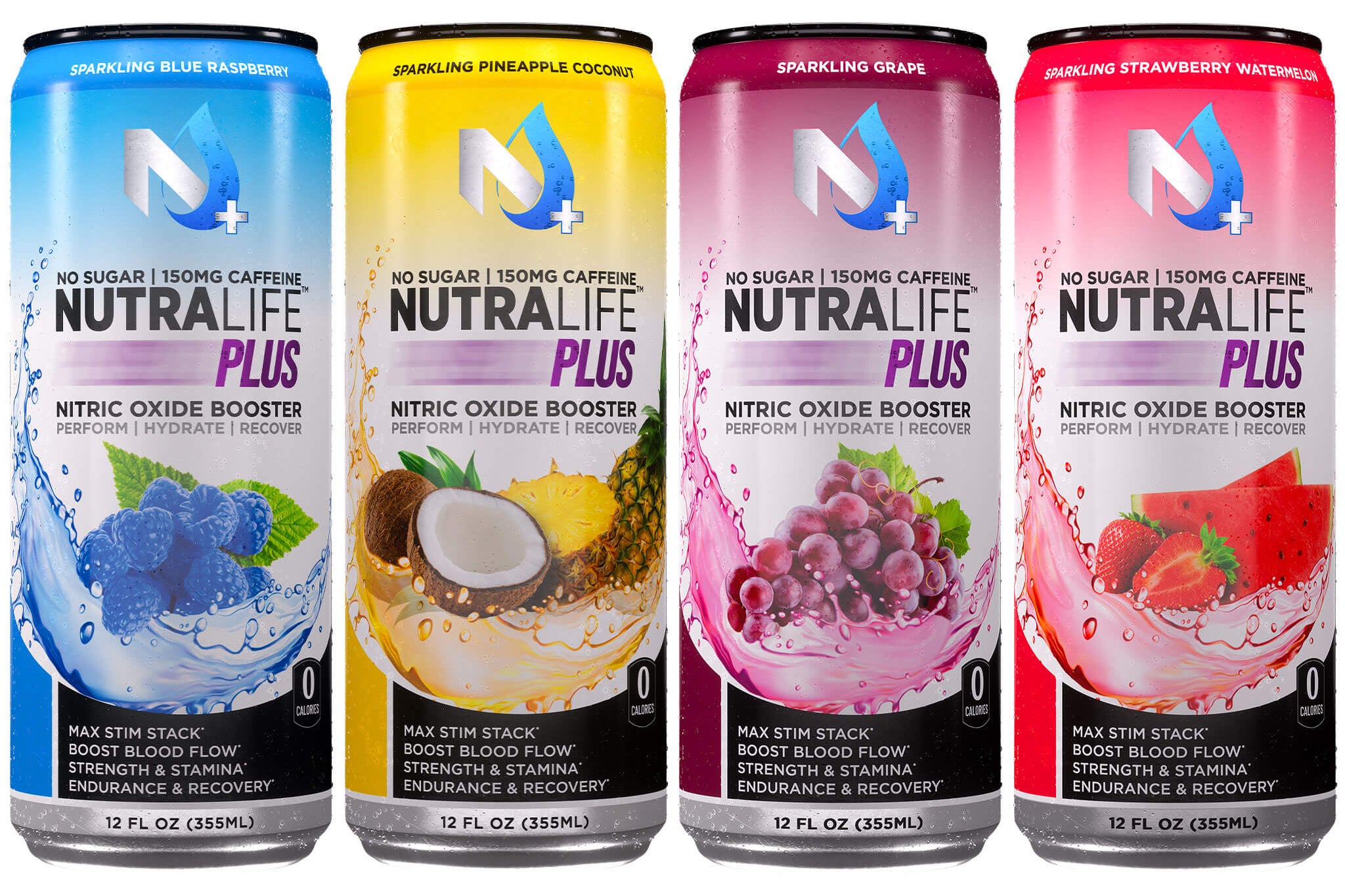
This is the population for whom NutraLife is designed. The target user trains frequently, optimizes recovery, and needs a daily formula that addresses blood flow, hydration, and recovery simultaneously in a single product. KSM-66® at 150mg per serving, with the two-serving daily protocol delivering 300mg, is the recovery pillar of that formula. For the full cortisol and testosterone mechanism, see Cortisol, testosterone, and recovery: what the research shows.
Format and Compliance: Why RTD Delivery Changes the Outcome
Daily consistent supplementation requires a format that makes daily compliance realistic. Ashwagandha in capsule or powder form requires a separate purchase, a separate step in the daily routine, and the kind of deliberate consistency that degrades over time without a strong compliance mechanism. Many athletes who start an adaptogen supplement in capsule form take it inconsistently within the first month and stop entirely within three.
An RTD that contains KSM-66® as part of a complete formula eliminates the separate purchase, the separate step, and the separate decision point. NutraLife delivers 150mg KSM-66® per can, as part of the same product that provides blood flow support and hydration support, in a format most athletes are already building into their daily routine. Consistency is what produces results. Format is what produces consistency. For the full daily adaptogen and recovery framework, see The Recovery and Adaptogens Guide.
For a detailed look at what KSM-66® is and how its standardization differs from generic ashwagandha, see What is KSM-66 Ashwagandha and why it matters for athletes.
KEY TAKEAWAYS
Got Questions
Frequently Asked Questions
Do adaptogens need to be taken at a specific time of day?
How long does it take for KSM-66 to produce measurable effects?
Is there a difference between daily adaptogen supplementation and taking it only on training days?
REFERENCES
NutraLife ingredient claims are supported by peer-reviewed published research. The following studies were referenced in the development of this page.
2. Auddy B, Hazra J, Mitra A, et al. A standardized Withania somnifera extract significantly reduces stress-related parameters in chronically stressed humans. Journal of the American Nutraceutical Association. 2008;11(1):50-56.
3. Pratte MA, Nanavati KB, Young V, Morley CP. An alternative treatment for anxiety: a systematic review of human trial results reported for the Ayurvedic herb ashwagandha. Journal of Alternative and Complementary Medicine. 2014;20(12):901-908.
4. Tsigos C, Chrousos GP. Hypothalamic-pituitary-adrenal axis, neuroendocrine factors and stress. Journal of Psychosomatic Research. 2002;53(4):865-871.
5. Wankhede S, Langade D, Joshi K, et al. Examining the effect of ashwagandha root extract on muscle strength and recovery. Journal of the International Society of Sports Nutrition. 2015;12:43.
6. Kreher JB, Schwartz JB. Overtraining syndrome: a practical guide. Sports Health. 2012;4(2):128-138.
7. Choudhary D, Bhattacharyya S, Joshi K. Body weight management in adults under chronic stress through treatment with ashwagandha root extract. Journal of Evidence-Based Complementary and Alternative Medicine. 2017;22(1):96-106.
8. Shenoy S, Chaskar U, Sandhu JS, Paadhi MM. Effects of eight-week supplementation of ashwagandha on cardiorespiratory endurance in elite Indian cyclists. Journal of Ayurveda and Integrative Medicine. 2012;3(4):209-214.
9. Hackney AC. Stress and the neuroendocrine system: the role of exercise as a stressor and modifier of stress. Expert Review of Endocrinology and Metabolism. 2006;1(6):783-792.
10. Verma N, Gupta SK, Tiwari S, Mishra AK. Safety of ashwagandha root extract: a randomized, placebo-controlled, study in healthy volunteers. Complementary Therapies in Medicine. 2021;57:102642.
*These statements have not been evaluated by the Food and Drug Administration. This product is not intended to diagnose, treat, cure, or prevent any disease.

