
BLOOD FLOW
What Is Nitrosigine and Why Does It Matter for Athletes?
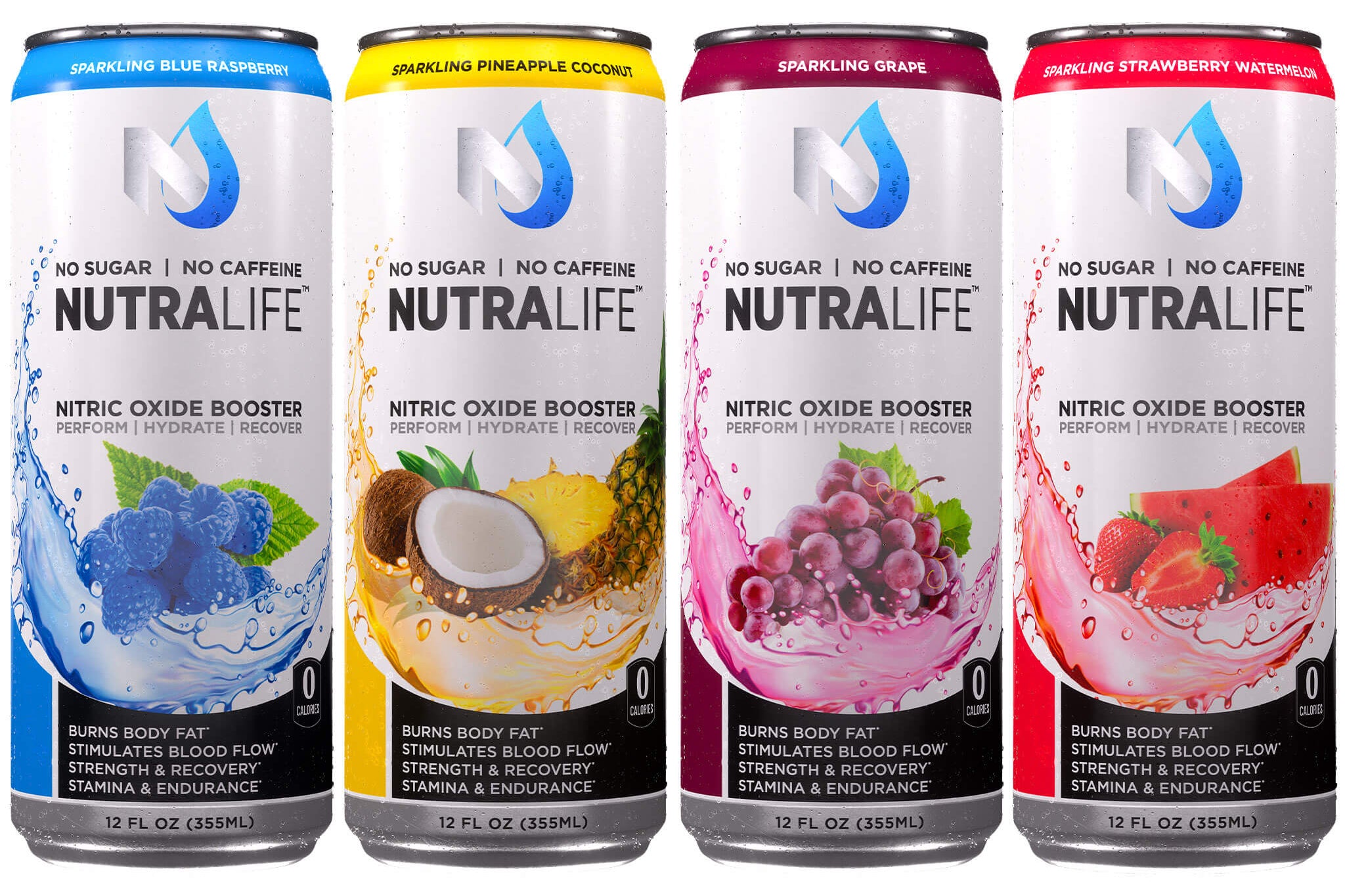
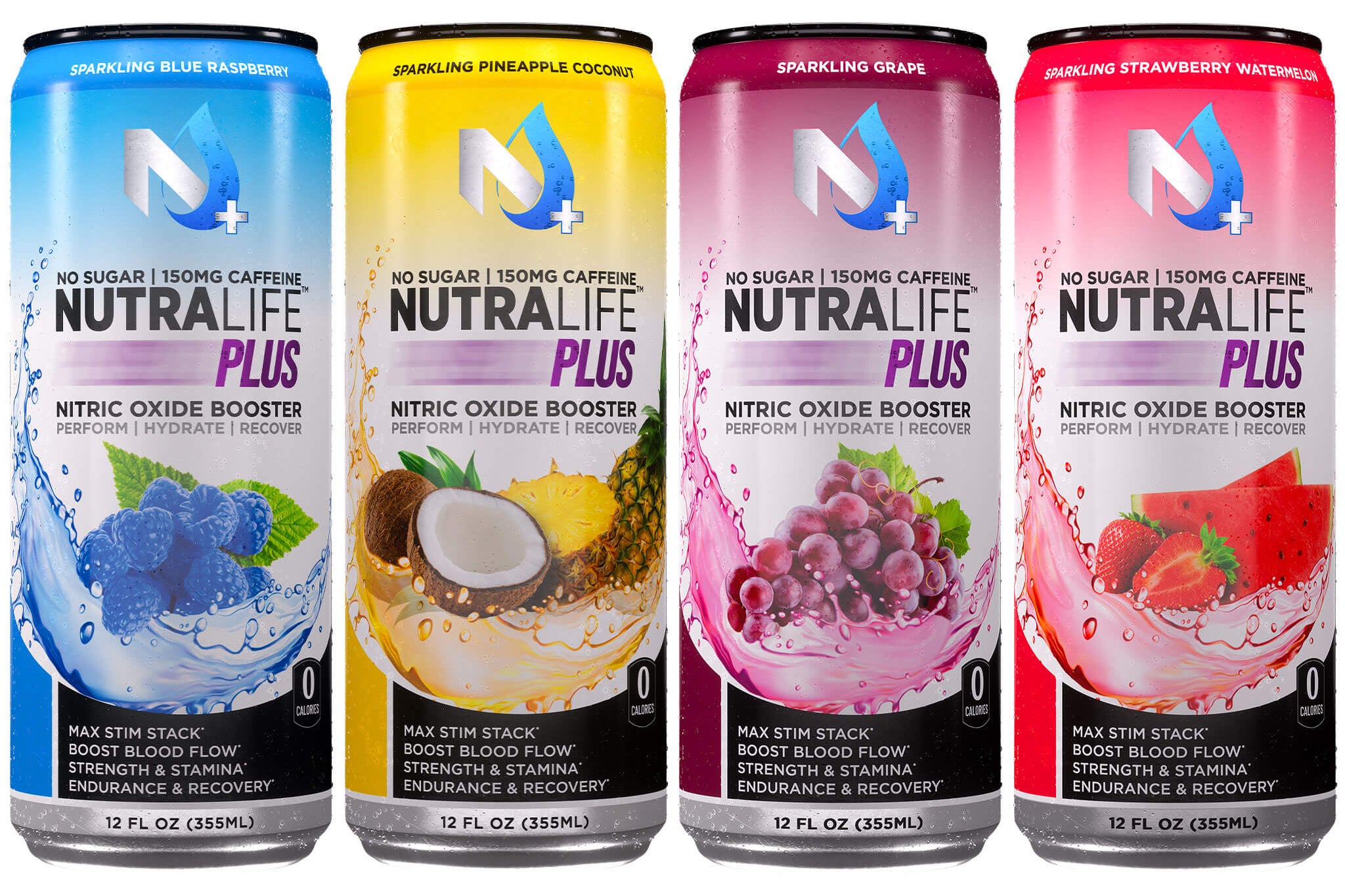
Nitrosigine® is a patented compound backed by more than 50 published human clinical trials. This article covers how it works, why 1,500mg is the clinical dose, and how it fits into the dual nitric oxide system in NutraLife.

Nitrosigine® is inositol-stabilized arginine silicate, a patented compound developed to overcome the bioavailability limitation that prevents standard L-Arginine from effectively increasing nitric oxide in the bloodstream. At 1,500mg, it delivers arginine to systemic circulation intact, where it converts to nitric oxide and increases blood flow to working muscle by 31% within 30 minutes of a single serving.
What Sets Nitrosigine Apart from Standard Arginine?
Standard L-Arginine is the amino acid the body uses to produce nitric oxide. The supplementation logic is straightforward: supply more arginine, increase nitric oxide output, improve blood flow. The problem is execution. Standard oral L-Arginine is substantially metabolized in the gut and liver before it reaches systemic circulation. Research consistently shows that the percentage surviving first-pass metabolism is insufficient to drive meaningful increases in plasma arginine or nitric oxide levels.
Nitrosigine® addresses this by bonding arginine with inositol and silicate. The resulting compound has a molecular structure that resists digestive degradation. It reaches systemic circulation intact, where the arginine substrate becomes available for nitric oxide synthesis at the vascular endothelium. The same pathway. A delivery mechanism that works. For a full breakdown of the bioavailability gap between the two, see Nitrosigine® vs L-Arginine.
How the Inositol-Silicate Bond Functions
The inositol component stabilizes the arginine molecule against the acidic conditions and enzymatic activity that break down standard L-Arginine in the gut. This is not a superficial coating. It is a molecular bond that changes the compound's biochemical behavior through the entire digestive process, from stomach through intestinal absorption and first-pass liver metabolism.
The silicate component adds a secondary mechanism. Silicon has a documented role in vascular biology, specifically in the synthesis and maintenance of connective tissue in blood vessel walls. Nitrosigine® delivers both the nitric oxide substrate and a vascular structural support mechanism through the same bonded compound. This is why the ingredient's clinical effects extend beyond blood flow measurement into documented improvements in vascular flexibility and arterial compliance in the published research.
What the Clinical Research Documents at 1,500mg
More than 50 published human clinical trials have studied Nitrosigine® at the 1,500mg dose. The consistent finding across independent research groups is a 31% increase in blood flow to working muscle. The measurable effect begins within 30 minutes of a single serving. Duration extends to 6 hours, covering the training session and the immediate post-training recovery window where nutrient delivery and waste clearance continue to depend on circulation volume.
The study count matters. 50+ trials across independent research groups is not a single sponsor-funded study with favorable results. It is a body of evidence large enough to establish dose specificity, onset time, and duration with confidence. The 1,500mg figure is not arbitrary. It is the dose from which all published performance outcomes are derived, and it is the dose in every NutraLife serving. For a complete review of the evidence base, see Nitrosigine® at the 1,500mg clinical dose.
Beyond blood flow, the research base includes documented cognitive effects. Published studies at the 1,500mg dose show a 41% improvement in mental acuity markers across independent trials. The mechanism is the same: improved cerebral blood flow from increased nitric oxide production supports mental clarity and focus during training sessions where both physical and cognitive demands are high.
Onset, Duration, and Practical Timing
The 30-minute onset documented in published research has practical implications for training preparation. Consuming NutraLife approximately 30 minutes before a session puts Nitrosigine® at its documented peak activity during warm-up and early working sets, when blood flow to working muscle directly affects performance output.
The 6-hour sustained effect means Nitrosigine® continues driving blood flow improvement through the session and into the post-training window. Recovery physiology depends on blood flow as directly as performance does. Nutrient delivery to damaged muscle tissue, waste product clearance, and the initiation of repair processes all require adequate circulation. The duration profile covers both demands without requiring a separate recovery-specific product.
NutraLife is designed for two servings daily. This is not a single pre-workout recommendation. The nitric oxide system operates continuously, and consistent daily support produces compounding physiological effects over time. The RTD format is specifically designed to make that daily compliance practical.
How Nitrosigine Works With L-Citrulline in the Dual System
The NutraLife formula pairs Nitrosigine® at 1,500mg with L-Citrulline at 1,000mg. L-Citrulline is a separate nitric oxide pathway ingredient that works through a different mechanism entirely: it bypasses the digestive tract, travels to the kidneys, converts to arginine through the urea cycle, and replenishes the arginine pool from upstream. Published pharmacokinetic research consistently shows L-Citrulline producing higher plasma arginine levels than equivalent oral doses of L-Arginine itself.
This is not ingredient stacking for marketing purposes. It is two separate entry points in the same nitric oxide production pathway running simultaneously. Nitrosigine® drives direct nitric oxide output at the endothelium. L-Citrulline continuously refills the arginine supply that feeds that output. Published research on the combined approach documents nitric oxide output that exceeds either ingredient producing alone.
For a detailed breakdown of how the two mechanisms interact across the full pathway, see L-Citrulline and Nitrosigine: how they work together. For the complete nitric oxide performance framework, see The Complete Guide to Nitric Oxide for Athletes.
What to Look for When You See Nitrosigine on a Label
Nitrosigine® is a patented, trademarked ingredient. The registered trademark symbol and the full branded name should appear on any product that contains it. Generic descriptions like "arginine silicate," "arginine inositol," or unbranded "L-Arginine" are different compounds with different bioavailability profiles and different evidence bases.
The dose must be visible. A product that lists Nitrosigine® inside a proprietary blend total, or without an individual dose number, cannot be verified against the published research. The clinical dose is 1,500mg. That number should appear next to the ingredient name. NutraLife states Nitrosigine® at 1,500mg in the fully disclosed formula. Every ingredient. Every dose. See the complete formula breakdown on The NutraLife Formula page.
KEY TAKEAWAYS
Got Questions
Frequently Asked Questions
Is Nitrosigine® the same as L-Arginine?
How quickly does Nitrosigine® take effect after a single serving?
Why is 1,500mg specifically the dose used in NutraLife?
REFERENCES
NutraLife ingredient claims are supported by peer-reviewed published research. The following studies were referenced in the development of this page.
2. Rood-Ojalvo S, Sandler D, Veledar E, Komorowski J. The benefits of inositol-stabilized arginine silicate as a workout ingredient. Journal of the International Society of Sports Nutrition. 2015;12(Suppl 1):P14.
3. Komorowski J, Ojalvo SP. A pharmacokinetic evaluation of the duration of effect of inositol-stabilized arginine silicate and inositol alone. FASEB Journal. 2019;33(1_supplement).
4. Proctor SD, Kelly SE, Vine DF, et al. Inositol-stabilized arginine silicate demonstrates dose-dependent improvement in endurance exercise performance in competitive male cyclists. FASEB Journal. 2019.
5. Bloomer RJ, Farney TM. Acute plasma volume and cell-free hemoglobin changes following inositol-stabilized arginine silicate consumption. Nutrients. 2021;13(7):2211.
6. Schwedhelm E, Maas R, Freese R, et al. Pharmacokinetic and pharmacodynamic properties of oral L-citrulline and L-arginine: impact on nitric oxide metabolism. British Journal of Clinical Pharmacology. 2008;65(1):51-59.
7. Alvares TS, Meirelles CM, Bhambhani YN, et al. L-Arginine as a potential ergogenic aid in healthy subjects. Sports Medicine. 2011;41(3):233-248.
8. Figueroa A, Wong A, Jaime SJ, Gonzales JU. Influence of L-citrulline and watermelon supplementation on vascular function and exercise performance. Current Opinion in Clinical Nutrition and Metabolic Care. 2017;20(1):92-98.
9. Lundberg JO, Weitzberg E, Gladwin MT. The nitrate-nitrite-nitric oxide pathway in physiology and therapeutics. Nature Reviews Drug Discovery. 2008;7(2):156-167.
10. Ignarro LJ, Balestrieri ML, Napoli C. Nutrition, physical activity, and cardiovascular disease: an update. Cardiovascular Research. 2007;73(2):326-340.
*These statements have not been evaluated by the Food and Drug Administration. This product is not intended to diagnose, treat, cure, or prevent any disease.

