
INGREDIENT COMPARISON
Nitrosigine® vs L-Arginine: Why Delivery Mechanism Changes the Outcome

L-Arginine
Survives first-pass metabolism
Blood flow increase within 30 minutes
31% blood flow increase
50+ independent human trials
Effects sustained up to 6 hours
Vascular structure support
Patented compound
The Bioavailability Gap Between Nitrosigine® and L-Arginine
Got Questions
Frequently Asked Questions
Why doesn't standard L-Arginine produce the same blood flow results as Nitrosigine®?
Standard oral L-Arginine is substantially degraded in the gut and liver before it reaches systemic circulation, a process called first-pass metabolism. The percentage that survives and reaches the bloodstream is insufficient to drive meaningful increases in nitric oxide or blood flow at typical supplementation doses. Nitrosigine® bonds arginine with inositol and silicate, which protects it through the digestive process and allows it to reach systemic circulation intact where it converts to nitric oxide at the vascular endothelium.
What does the inositol-silicate bond in Nitrosigine® actually do?
The inositol component stabilizes the arginine molecule against the acidic conditions and enzymatic activity that break down standard L-Arginine during digestion. The silicate component adds a secondary mechanism: silicon plays a documented role in the synthesis and maintenance of connective tissue in blood vessel walls. The bonded compound delivers both the nitric oxide substrate and a vascular structural support mechanism, which is why Nitrosigine® research documents improvements in vascular flexibility alongside blood flow increases.
Is there published clinical research comparing Nitrosigine® directly to standard L-Arginine?
Published pharmacokinetic research consistently shows Nitrosigine® producing significantly higher plasma arginine levels than equivalent oral doses of standard L-Arginine. The difference is attributable to the bioavailability advantage that the inositol-silicate bonding provides. More than 50 independent published human trials document Nitrosigine® at 1,500mg producing a 31% blood flow increase within 30 minutes, an outcome not replicated in the published research on standard L-Arginine supplementation at comparable doses.
How much L-Arginine would you need to match Nitrosigine® at 1,500mg?
Published research does not support a dose equivalency between standard oral L-Arginine and Nitrosigine® because the issue is bioavailability, not quantity. Increasing the L-Arginine dose does not overcome the first-pass metabolism problem. It increases the amount degraded before it reaches the bloodstream without proportionally increasing what reaches systemic circulation. Nitrosigine® addresses the delivery problem at the molecular level rather than attempting to compensate for poor bioavailability with higher doses.
Why does NutraLife use Nitrosigine® instead of L-Arginine?
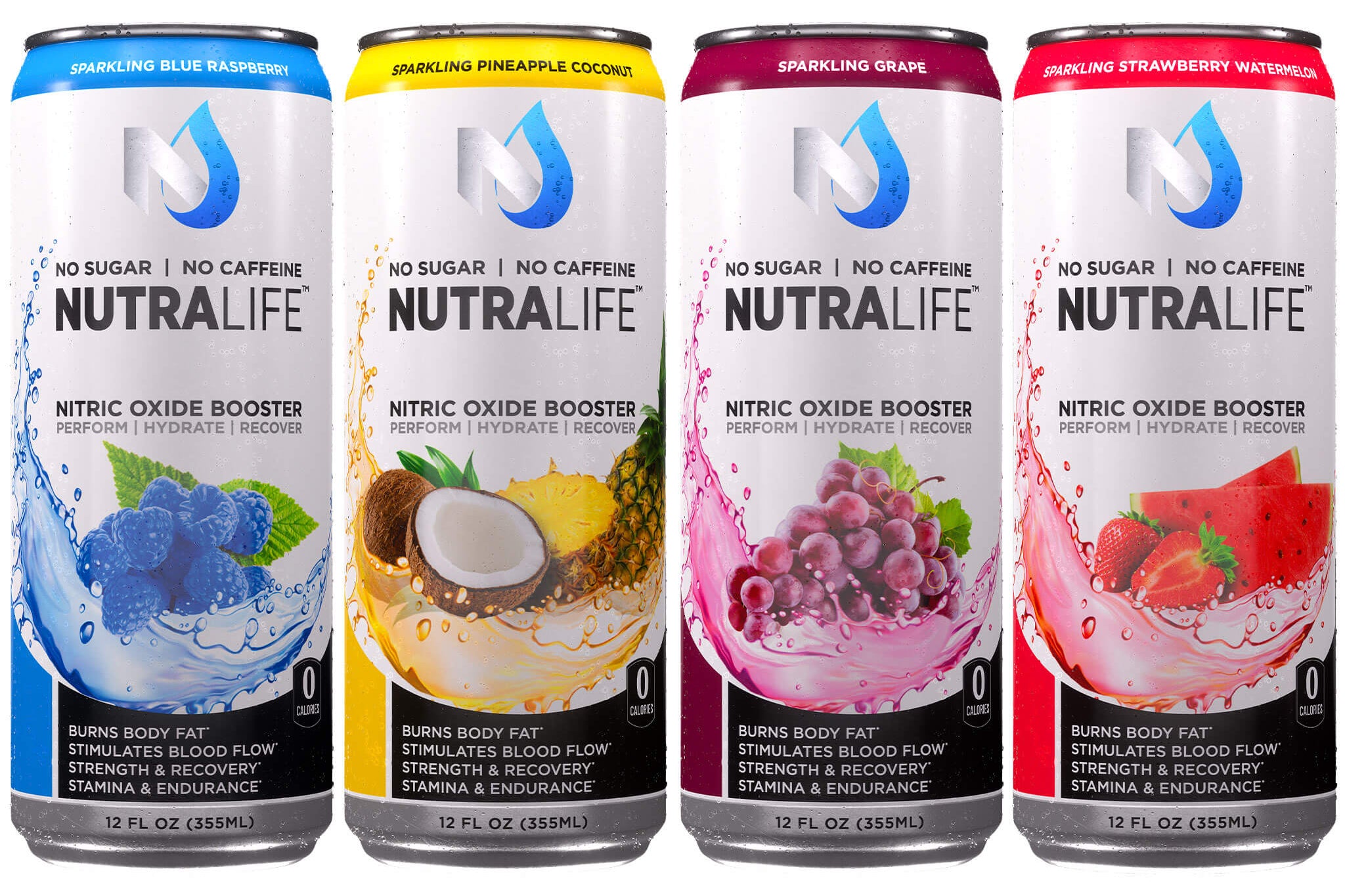
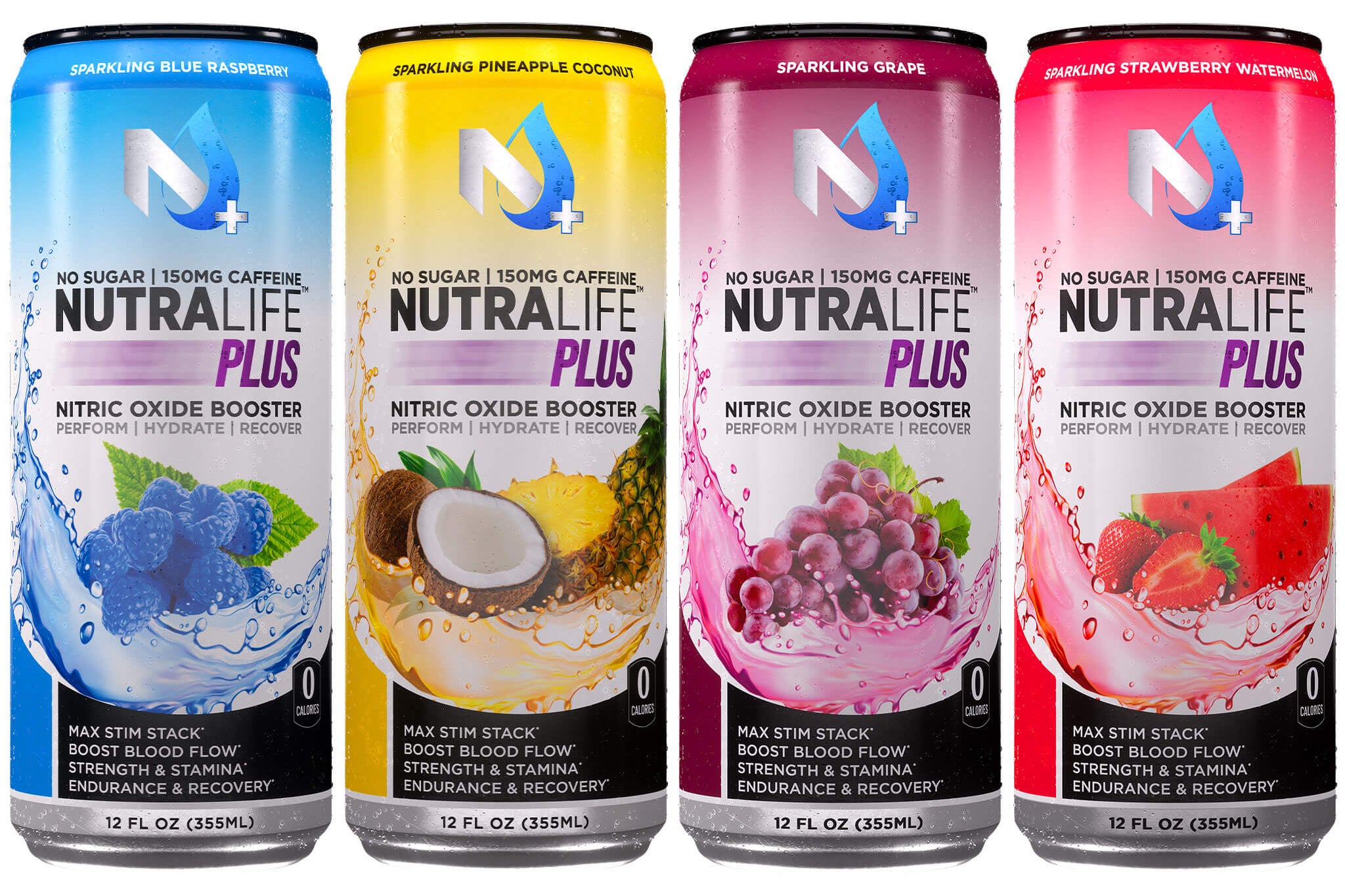
NutraLife uses Nitrosigine® at 1,500mg because that is the compound and dose at which the blood flow outcomes in published research were produced. The 31% blood flow increase and 30-minute onset documented in 50+ independent human trials are specific to Nitrosigine® at 1,500mg. Standard L-Arginine does not have an equivalent published evidence base for meaningful blood flow increases at oral supplementation doses. NutraLife pairs Nitrosigine® with L-Citrulline at 1,000mg, which replenishes the arginine pool through the renal pathway to extend the nitric oxide production window.
Competitor product information reflects publicly available labeling at the time this page was last updated. Formulations change. Confirm current values on the manufacturer's label before making a purchase decision. NutraLife is not affiliated with, endorsed by, or sponsored by any brand referenced on this page.
*These statements have not been evaluated by the Food and Drug Administration. This product is not intended to diagnose, treat, cure, or prevent any disease.

