
CLEAN ENERGY
What Is Dynamine and How Does It Work Differently Than Caffeine?
Dynamine® is methylliberine, a purine alkaloid from the kucha tea plant. It shares adenosine receptor antagonism with caffeine but operates through additional pathways and produces a different onset time and cardiovascular profile. This article covers the mechanism, what 60mg produces in NutraLife Plus, and why it is used alongside caffeine rather than as a replacement for it.

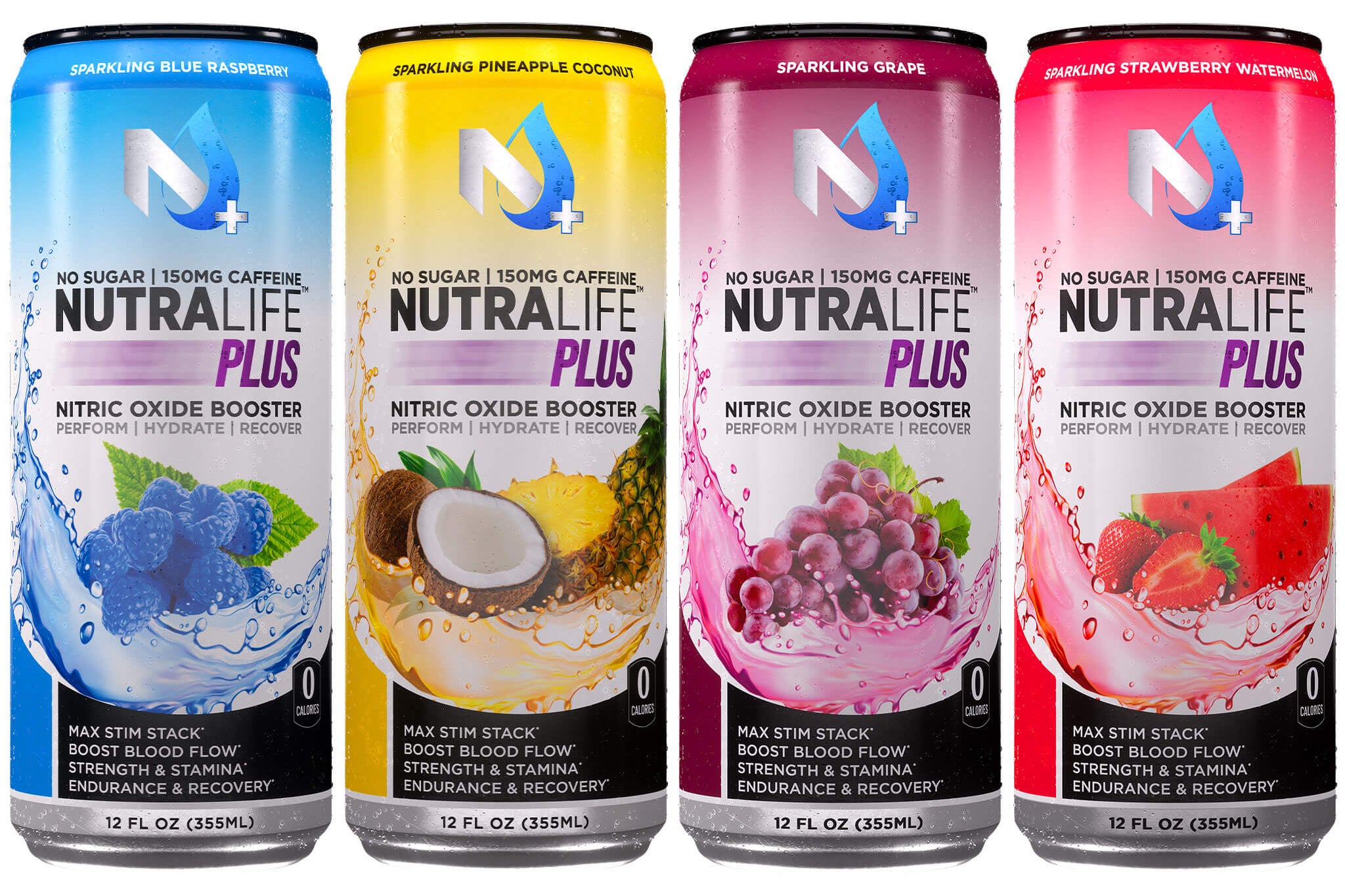
Dynamine® is methylliberine, a purine alkaloid naturally occurring in the kucha tea plant (Camellia assamica var. kucha). It is structurally related to caffeine and theacrine but differs in how it is metabolized, how quickly it activates, and how it interacts with the receptors involved. At 60mg in NutraLife Plus, it is not a caffeine replacement and not a caffeine amplifier in the traditional sense. It is a complementary compound that works on a different timeline, producing a combined energy profile that neither compound produces alone.
What Methylliberine Is and Where It Comes From
Methylliberine belongs to the purine alkaloid family that includes caffeine and theacrine. All three share a closely related chemical structure, and all three act on the adenosine system, the signaling pathway responsible for fatigue and drowsiness. That structural similarity is why researchers expect broadly comparable effects. The differences lie in how each compound engages the receptor, how quickly it is absorbed, and how it is metabolized.
Dynamine® is the trademarked form of methylliberine used in commercial supplements, developed and owned by Compound Solutions. The trademark distinguishes the specific form used in published research from generic methylliberine preparations, analogous to how Nitrosigine® distinguishes inositol-stabilized arginine silicate from generic arginine compounds. Published human research on methylliberine has used doses ranging from 25mg to 150mg. The 60mg in NutraLife Plus sits within that studied range.
How Dynamine Differs from Caffeine in Mechanism
Caffeine works by directly blocking adenosine receptors, occupying the site so the fatigue signal cannot bind. Methylliberine is understood to work differently. Rather than blocking the receptor outright, it is described as reducing receptor sensitivity, a softer form of interference with the same signal. This distinction is the basis for the claim that methylliberine produces a smoother effect with less tolerance accumulation than caffeine, though it should be noted that this mechanism comes from the ingredient developer rather than from independent pharmacological research.
Dopamine involvement is also proposed, which would account for reported effects on mood and motivation that caffeine does not produce in the same way. This remains a proposed mechanism rather than a demonstrated one. The published human research on methylliberine to date has focused on safety and cardiovascular response rather than on establishing how the compound works at the receptor level.
The cardiovascular profile is where the evidence is strongest. Published research on methylliberine has found no significant elevation in heart rate or blood pressure when taken alone, and a four-week trial in 125 adults at doses above what NutraLife Plus contains reported no adverse effect on cardiovascular measures or blood biomarkers. For athletes sensitive to caffeine's cardiovascular effects, this profile is the practical difference.
Onset Time and What That Means for Training
Caffeine has a well-documented onset of 30 to 60 minutes depending on metabolic rate, food intake, and individual variation. Peak caffeine concentration in the bloodstream typically occurs 45 to 60 minutes after consumption. This is why most pre-workout timing recommendations suggest consuming caffeine 30 to 45 minutes before training.
Methylliberine is absorbed faster. Pharmacokinetic work shows it reaching peak concentration well ahead of caffeine, with the ingredient developer reporting activation in roughly 15 minutes. That earlier activation fills the window between drinking NutraLife Plus and reaching the training environment, covering warm-up before caffeine reaches peak activity.
The practical combined timeline in NutraLife Plus is an early contribution from Dynamine® that transitions into the sustained caffeine window. The combined curve does not have a sharp single peak followed by a cliff. It produces continuous support across the training session without the spike-and-crash pattern associated with high-dose single-compound stimulants.
Why 60mg Dynamine Alongside 150mg Caffeine Is Not Redundancy
A common question is why NutraLife Plus uses both compounds rather than simply using a higher dose of caffeine. The answer is in how the two engage the same system differently. Higher caffeine doses produce more direct adenosine blockade, but also more cardiovascular load, more anxiety in sensitive individuals, and a sharper peak-and-crash profile as caffeine is metabolized.
Dynamine® at 60mg contributes faster onset coverage that caffeine's 30 to 60 minute activation window cannot supply, and it does so with a cardiovascular profile the published research describes as minimal. The two compounds cover different parts of the pre-training window rather than applying more of the same mechanism at a higher dose.
For the full clean energy philosophy and how this approach differs from high-dose single-compound pre-workouts, see The Clean Energy Guide. For the question of whether 150mg caffeine is the right dose for sustained performance, see 150mg caffeine: why less is more for sustained performance.
KEY TAKEAWAYS
Got Questions
Frequently Asked Questions
What is Dynamine and what makes it different from caffeine?
Can I take Dynamine if I am sensitive to caffeine?
Why does NutraLife Plus combine Dynamine with caffeine instead of using one or the other?
REFERENCES
NutraLife ingredient claims are supported by peer-reviewed published research. The following studies were referenced in the development of this page.
2. Goldstein ER, Ziegenfuss T, Kalman D, et al. International society of sports nutrition position stand: caffeine and performance. Journal of the International Society of Sports Nutrition. 2010;7(1):5.
3. Graham TE. Caffeine and exercise: metabolism, endurance and performance. Sports Medicine. 2001;31(11):785-807.
4. Spriet LL. Exercise and sport performance with low doses of caffeine. Sports Medicine. 2014;44(Suppl 2):S175-S184.
5. Heckman MA, Weil J, Gonzalez de Mejia E. Caffeine (1,3,7-trimethylxanthine) in foods: a comprehensive review on consumption, functionality, safety, and regulatory matters. Journal of Food Science. 2010;75(3):R77-87.
6. Burke LM. Caffeine and sports performance. Applied Physiology, Nutrition, and Metabolism. 2008;33(6):1319-1334.
7. Nehlig A, Daval JL, Debry G. Caffeine and the central nervous system: mechanisms of action, biochemical, metabolic and psychostimulant effects. Brain Research Reviews. 1992;17(2):139-170.
8. Temple JL, Bernard C, Lipshultz SE, et al. The safety of ingested caffeine: a comprehensive review. Frontiers in Psychiatry. 2017;8:80.
9. McLellan TM, Caldwell JA, Lieberman HR. A review of caffeine's effects on cognitive, physical and occupational performance. Neuroscience and Biobehavioral Reviews. 2016;71:294-312.
10. Fredholm BB, Battig K, Holmen J, et al. Actions of caffeine in the brain with special reference to factors that contribute to its widespread use. Pharmacological Reviews. 1999;51(1):83-133.
*These statements have not been evaluated by the Food and Drug Administration. This product is not intended to diagnose, treat, cure, or prevent any disease.

