
CLEAN ENERGY
150mg Caffeine: Why Less Is More for Sustained Performance
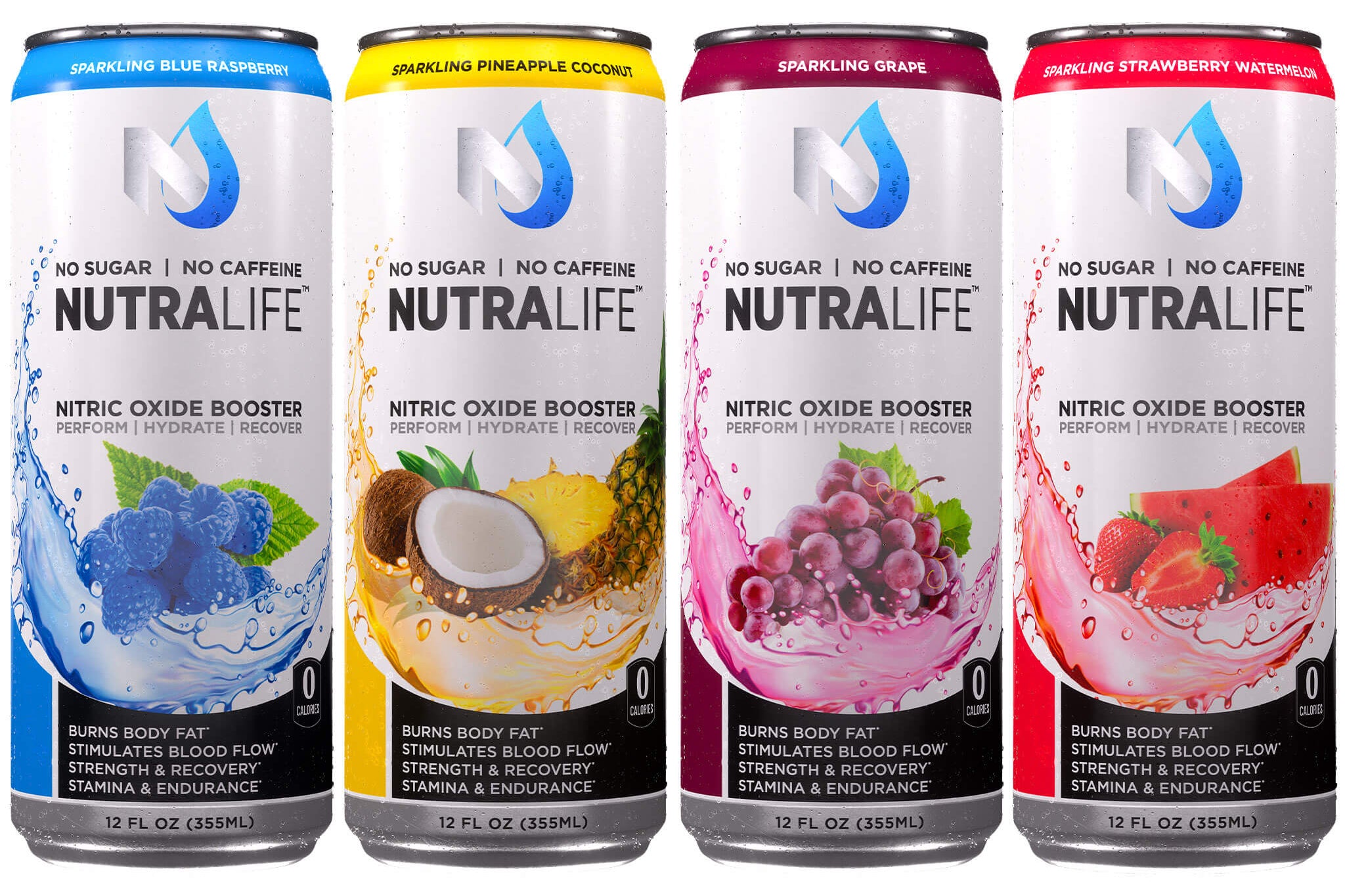
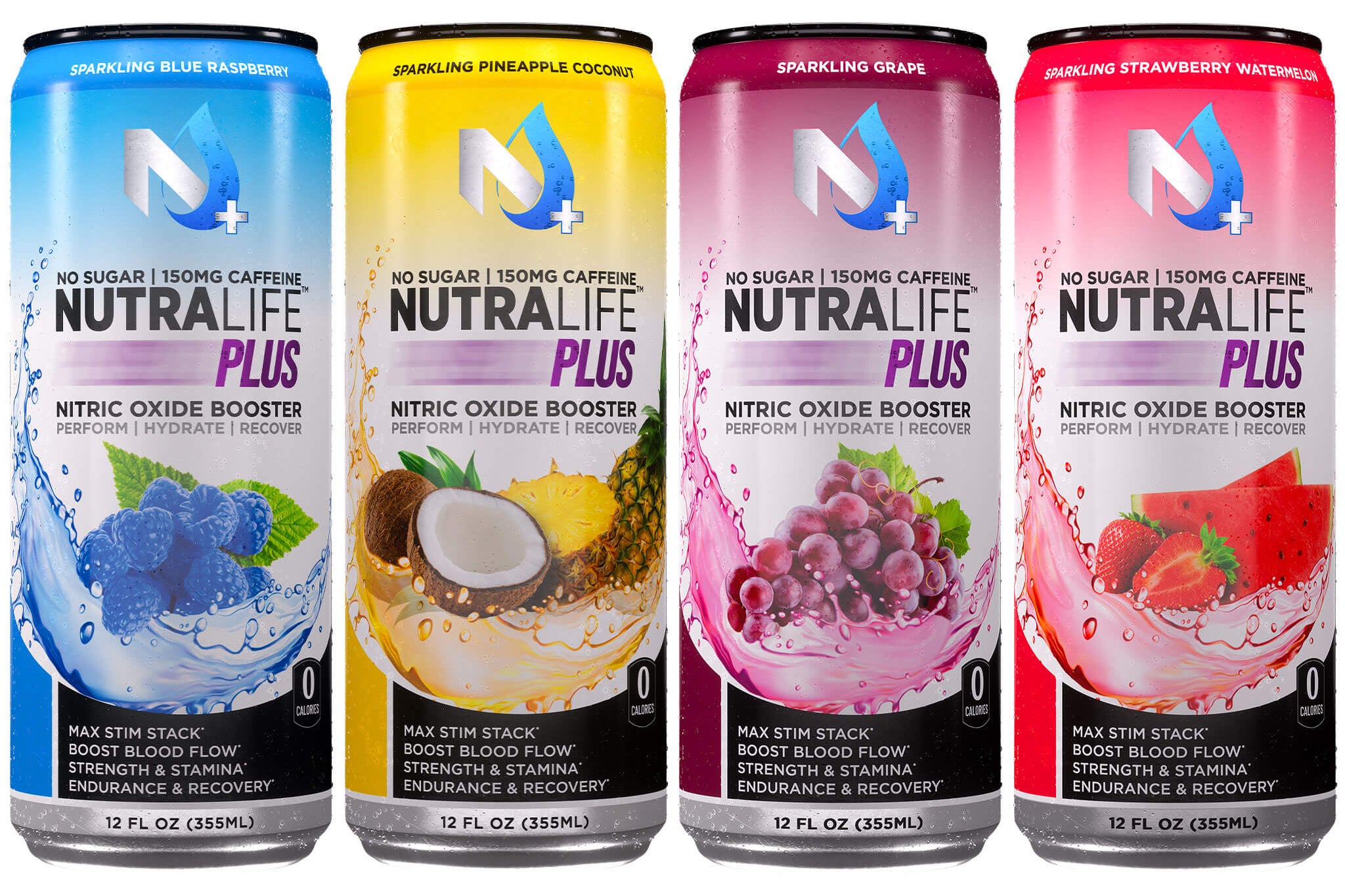
Most commercial pre-workouts deliver 200 to 400mg of caffeine per serving. NutraLife Plus pairs 60mg Dynamine® with 150mg caffeine. This article covers the published dose-response research on caffeine and performance, why high doses produce a sharper crash profile, and how the combined formula in NutraLife Plus produces sustained performance energy without the side effects that high-dose single-compound stimulants generate.

The typical commercial pre-workout delivers 200-400mg of caffeine per serving. Some products in the category exceed 400mg. NutraLife Plus uses 150mg. This is a deliberate formulation decision, not a cost-saving one. The question it answers is not whether caffeine works — the published evidence on caffeine and athletic performance is among the most robust in sports nutrition. The question is what dose, in what combination, produces the best sustained performance outcome for an athlete training 4-5 days per week, every week, without compounding side effects over time.
What the Research Actually Shows About Caffeine Dosing
The International Society of Sports Nutrition's position stand on caffeine identifies 3-6mg per kilogram of bodyweight as the dose range that produces measurable athletic performance benefits. At 150mg, a 50kg (110lb) athlete is at the upper end of that range. An 80kg (176lb) athlete is in the middle. A 100kg (220lb) athlete is at the lower end.
This is not a micro-dose. 150mg is a well-established effective dose for most of the athletes likely to use NutraLife Plus. The point of the range is that caffeine's performance benefits plateau well below the doses that many commercial pre-workouts provide. Doubling from 150mg to 300mg does not double performance outcomes. It increases side effect exposure — cardiovascular stimulation, anxiety, insomnia, and GI discomfort — proportionally, without a proportional performance return.
The Dose-Response Curve and Why It Matters for Daily Athletes
Caffeine produces a dose-response curve for both its benefits and its adverse effects. At 150mg, most athletes experience alertness, reduced perceived exertion, and improved endurance without significant cardiovascular elevation or anxiety. At 300mg and above, adverse effects are increasingly common, particularly in individuals with lower caffeine tolerance or genetic variations in caffeine metabolism.
For an athlete training once per week, a higher-dose caffeine product on training day carries limited daily consequences. For an athlete training 4-5 days per week, the cumulative caffeine load, tolerance development, and sleep disruption from high-dose pre-workouts become meaningful over time. Tolerance to caffeine's ergogenic effects builds with repeated high-dose exposure. An athlete who starts at 300mg will require increasing doses over months to achieve the same alertness and performance response — a pattern that has no ceiling except physiological side effects.
150mg sits at the effective end of the dose range with the best long-term compliance profile for daily athletes. For the complete caffeine mechanism and dose evidence, see the Caffeine ingredient page.
Sleep Quality and the Afternoon Athlete Problem
Caffeine's half-life in the human body is approximately 5-6 hours, with significant individual variation from 3-9 hours depending on liver enzyme activity. A 300mg dose consumed at 4 PM still has 150mg equivalent active at 9-10 PM, at the threshold of sleep onset for most adults. This is enough to meaningfully delay sleep onset, reduce slow-wave sleep depth, and impair recovery quality even if the athlete feels they fell asleep normally.
A 150mg dose consumed at 4 PM has 75mg equivalent active at 9-10 PM — a materially lower sleep disruption risk. For athletes who train in the afternoon or evening, the dose difference between 150mg and 300mg is often the difference between training with caffeine support and accepting sleep quality impairment as the trade-off. NutraLife Plus is designed for daily use. Daily use requires a caffeine dose that is compatible with consistent sleep quality.
How Dynamine Extends the 150mg Formula Without Increasing Caffeine Load
Pairing 150mg caffeine with 60mg Dynamine™ produces a combined energy timeline that no single-compound approach at 150mg caffeine achieves. Dynamine™ activates within approximately 15 minutes, covering the window between consumption and training. Caffeine peaks at 30-60 minutes and sustains through the training session. The combined profile addresses both the early activation gap and the sustained performance window without raising total caffeine content.
This is the specific performance case for using both compounds at lower doses rather than one compound at a higher dose. The timeline is distributed rather than peaked. The side effect exposure is controlled at 150mg caffeine rather than expanded to achieve the same energy window through caffeine alone. For the full Dynamine™ mechanism, see What is Dynamine and how does it work differently than caffeine. For where to use NutraLife versus NutraLife Plus, see How to replace your pre-workout powder with an RTD.
KEY TAKEAWAYS
Got Questions
Frequently Asked Questions
What is the optimal caffeine dose for athletic performance?
Why does 150mg caffeine feel different than a high-dose pre-workout?
Does pairing caffeine with Dynamine change how the caffeine affects you?
REFERENCES
NutraLife ingredient claims are supported by peer-reviewed published research. The following studies were referenced in the development of this page.
2. Graham TE. Caffeine and exercise: metabolism, endurance and performance. Sports Medicine. 2001;31(11):785-807.
3. Spriet LL. Exercise and sport performance with low doses of caffeine. Sports Medicine. 2014;44(Suppl 2):S175-S184.
4. Burke LM. Caffeine and sports performance. Applied Physiology, Nutrition, and Metabolism. 2008;33(6):1319-1334.
5. McLellan TM, Caldwell JA, Lieberman HR. A review of caffeine's effects on cognitive, physical and occupational performance. Neuroscience and Biobehavioral Reviews. 2016;71:294-312.
6. Nehlig A. Is caffeine a cognitive enhancer? Journal of Alzheimer's Disease. 2010;20(Suppl 1):S85-94.
7. Temple JL, Bernard C, Lipshultz SE, et al. The safety of ingested caffeine: a comprehensive review. Frontiers in Psychiatry. 2017;8:80.
8. Doherty M, Smith PM. Effects of caffeine ingestion on exercise testing: a meta-analysis. International Journal of Sport Nutrition and Exercise Metabolism. 2004;14(6):626-646.
9. VanDusseldorp TA, Stratton MT, Bailly AR, et al. Safety of short-term supplementation with methylliberine (Dynamine) alone and in combination with TeaCrine in young adults. Nutrients. 2020;12(3):654.
10. O'Callaghan F, Muurlink O, Reid N. Effects of caffeine on sleep quality and daytime functioning. Risk Management and Healthcare Policy. 2018;11:263-271.
*These statements have not been evaluated by the Food and Drug Administration. This product is not intended to diagnose, treat, cure, or prevent any disease.

