
CLEAN ENERGY
How to Replace Your Pre-Workout Powder With an RTD
Pre-workout powders require mixing equipment, consistent measurement, and discipline around daily preparation. RTDs eliminate all three friction points without sacrificing formula quality. This article covers what a pre-workout replacement RTD must include, what the practical compliance difference looks like, and when to use NutraLife versus NutraLife Plus.

Pre-workout powders require a shaker, a water source, a measurement, and a decision made before training. For most athletes, the decision point itself is the failure. It is not the formula that stops working — it is the daily preparation step that gets skipped when training time is compressed, equipment is unavailable, or motivation is low. RTDs remove the decision. The formula is already prepared. The only choice is whether to open the can.
What a Pre-Workout Replacement RTD Must Deliver
Replacing a powder pre-workout with an RTD is not an upgrade if the RTD formula is inferior. The case for the format switch only holds if the RTD matches or exceeds the clinical formula quality of the powder being replaced. Most RTDs in the market do not qualify on this standard — they carry basic stimulant formulas without the blood flow, recovery, and hydration ingredients that a stacked pre-workout provides.
A genuine pre-workout replacement RTD should carry, at minimum: a clinically dosed stimulant system, a nitric oxide precursor at a meaningful dose, and electrolytes for intra-workout hydration support. The formula that covers all three in a single can eliminates the need for the pre-workout powder, the separate intra-workout drink, and potentially a separate recovery formula as well. The benchmark is not whether it tastes like a powder product. The benchmark is whether the clinical formula content justifies the format switch.
The Dose Consistency Advantage of RTD Over Powder
A clinical formula pre-workout delivers its benefits at specific ingredient doses. Nitrosigine® at 1,500mg produces a 31% blood flow increase. Dynamine™ at 60mg produces the documented activation profile. The doses matter — they are the basis on which the published research outcomes apply to the product.
Powder measurement introduces dose variability. Published research on supplement powder preparation found scooping variability of 15-25% depending on powder settling, measurement technique, and user practice. For a 1,500mg Nitrosigine® target dose, 15% variability means actual doses ranging from 1,275mg to 1,725mg in routine use. At the low end, the dose may fall below what the clinical research was conducted at. RTDs eliminate this variability. Every can delivers the same dose, manufactured to the same specification, with no preparation variable introduced by the user.
The Compliance Argument Is the Strongest Argument
Supplement efficacy studies measure the effect of consistent use at the stated dose. They do not measure the effect of inconsistent use at variable doses, which is what real-world powder pre-workout use frequently produces. An RTD that is consumed consistently at the full clinical dose produces better actual outcomes than a superior-formula powder used three days out of five at 80% of the dose.
The preparation friction for powder pre-workouts is real and underestimated. It requires a shaker, clean water, time to mix and dissolve, travel portability logistics, and a deliberate routine step that must happen before training. Removing that preparation step removes the moment where the decision to skip occurs. This is not an abstract behavioral argument. It is the reason ready-to-consume formats consistently show higher compliance in studies comparing supplement delivery formats.
NutraLife vs NutraLife Plus: When to Use Each
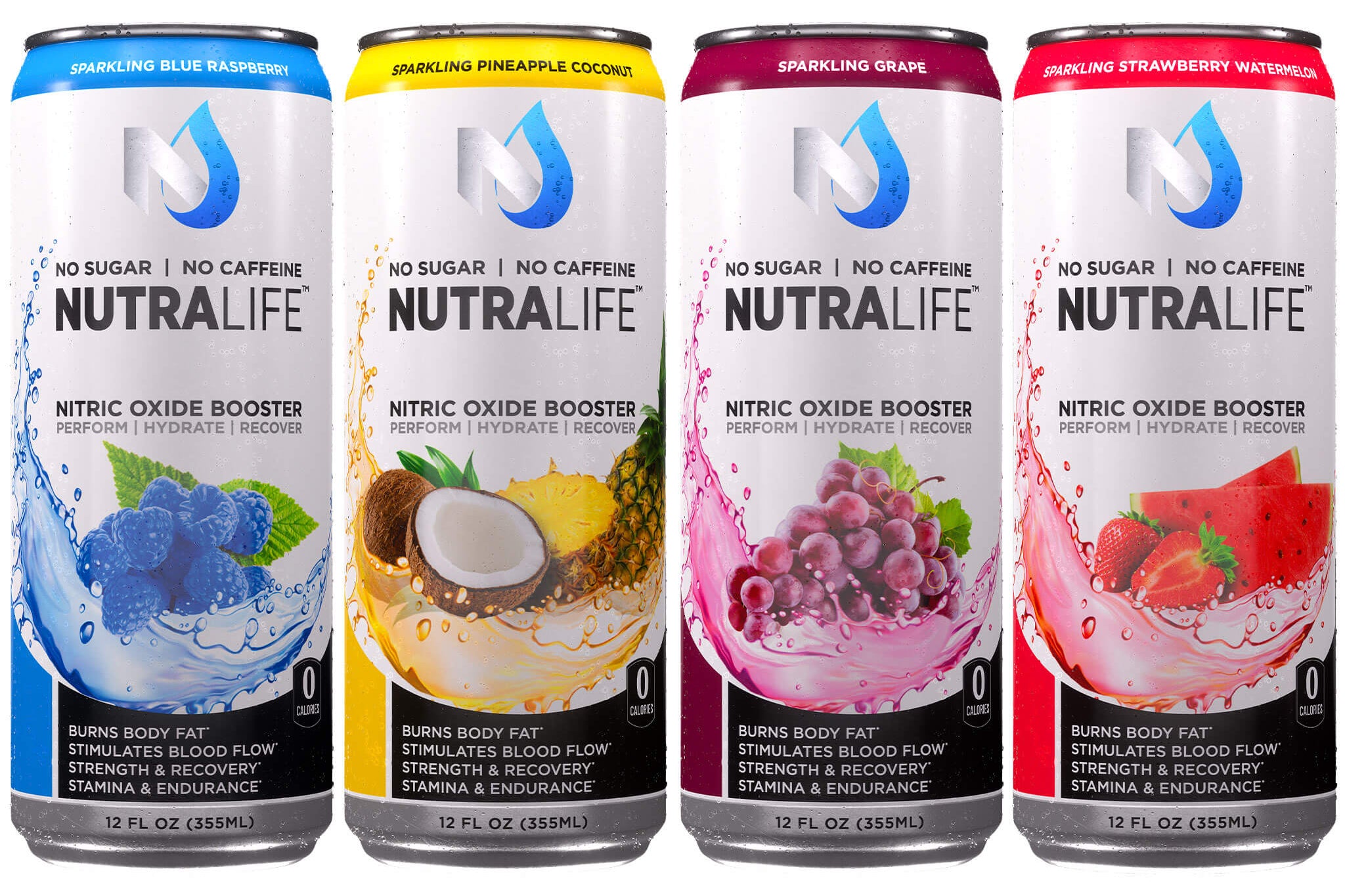
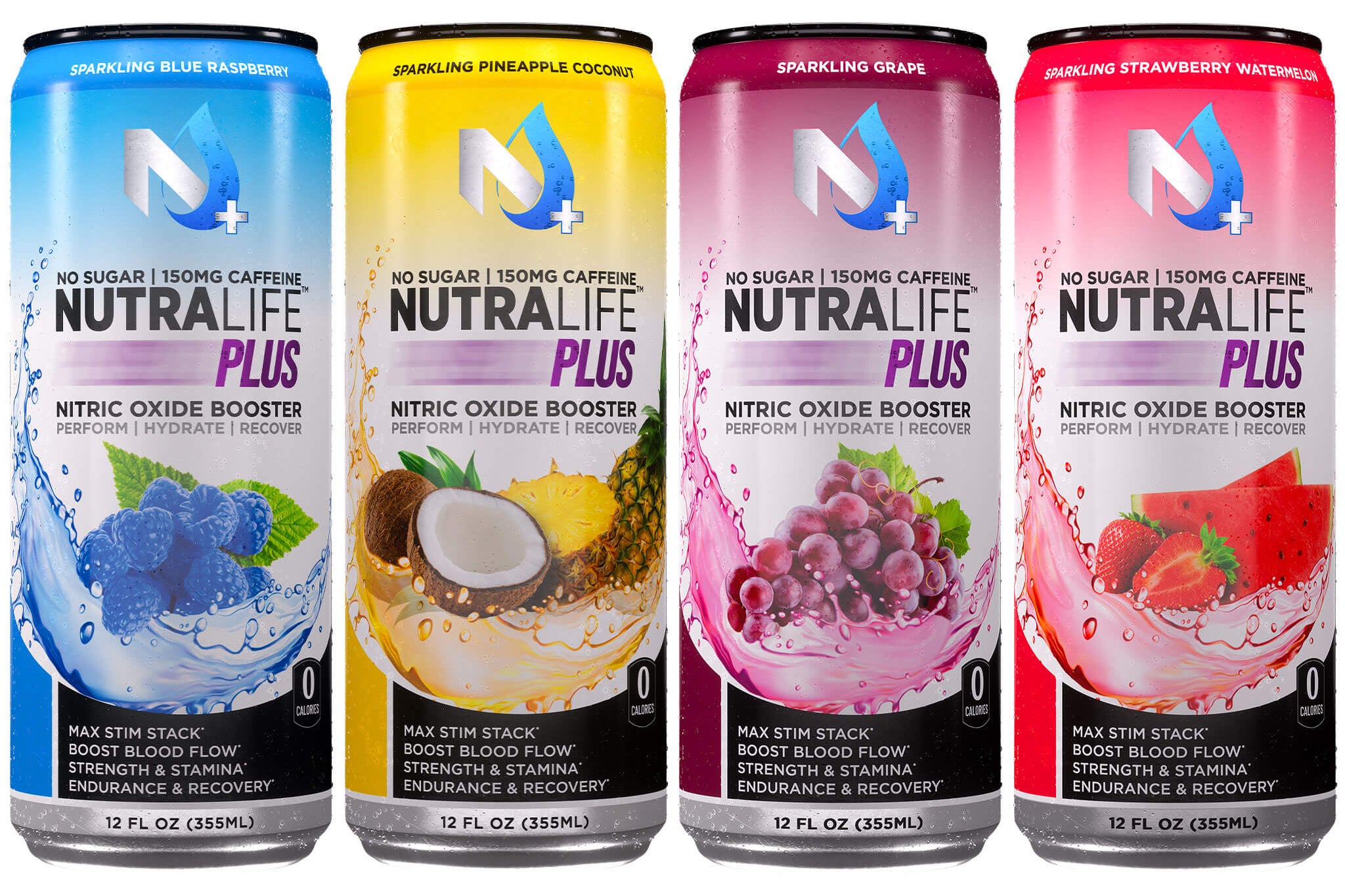
NutraLife (caffeine-free) and NutraLife Plus (150mg caffeine + 60mg Dynamine™) share the same core clinical formula for blood flow, hydration, and recovery. The stimulant layer is the only difference between the two products.
The practical protocol: NutraLife Plus for training days, when the 150mg caffeine and Dynamine™ system is useful for performance activation. NutraLife for non-training days, evening consumption, or any context where caffeine is not appropriate. Both products deliver the full Nitrosigine® at 1,500mg, L-Citrulline at 1,000mg, KSM-66® at 150mg, and complete electrolyte complex. The formula investment in blood flow and recovery does not require caffeine context to be useful — the non-stimulant formula contributes daily regardless of training schedule.
For the complete formula breakdown on both products, see The NutraLife Formula. For the full clean energy guide covering the stimulant system in NutraLife Plus, see The Clean Energy Guide. For the detailed Dynamine™ mechanism, see What is Dynamine and how does it work differently than caffeine. For what to look for on clean energy drink labels, see Clean energy drinks: what the label should and should not say.
KEY TAKEAWAYS
Got Questions
Frequently Asked Questions
Is an RTD pre-workout as effective as a powder pre-workout?
What should I look for in an RTD to replace my current pre-workout stack?
When should I use NutraLife versus NutraLife Plus?
REFERENCES
NutraLife ingredient claims are supported by peer-reviewed published research. The following studies were referenced in the development of this page.
2. Rogers JM, Gills J, Gray M. Acute effects of Nitrosigine and citrulline malate on vasodilation in young adults. Journal of the International Society of Sports Nutrition. 2020;17:12.
3. Rood-Ojalvo S, Sandler D, Veledar E, Komorowski J. The benefits of inositol-stabilized arginine silicate as a workout ingredient. Journal of the International Society of Sports Nutrition. 2015;12(Suppl 1):P14.
4. VanDusseldorp TA, Stratton MT, Bailly AR, et al. Safety of short-term supplementation with methylliberine (Dynamine) alone and in combination with TeaCrine in young adults. Nutrients. 2020;12(3):654.
5. Spriet LL. Exercise and sport performance with low doses of caffeine. Sports Medicine. 2014;44(Suppl 2):S175-S184.
6. Sawka MN, Burke LM, Eichner ER, et al. American College of Sports Medicine position stand: exercise and fluid replacement. Medicine and Science in Sports and Exercise. 2007;39(2):377-390.
7. Wankhede S, Langade D, Joshi K, et al. Examining the effect of ashwagandha root extract on muscle strength and recovery. Journal of the International Society of Sports Nutrition. 2015;12:43.
8. Chandrasekhar K, Kapoor J, Anishetty S. A prospective, randomized double-blind study on safety and efficacy of a high-concentration full-spectrum extract of ashwagandha root in reducing stress and anxiety in adults. Indian Journal of Psychological Medicine. 2012;34(3):255-262.
9. Maughan RJ, et al. IOC consensus statement: dietary supplements and the high-performance athlete. British Journal of Sports Medicine. 2018;52(7):439-455.
10. Rawson ES, Miles MP, Larson-Meyer DE. Dietary supplements for health, adaptation, and recovery in athletes. International Journal of Sport Nutrition and Exercise Metabolism. 2018;28(2):188-199.
*These statements have not been evaluated by the Food and Drug Administration. This product is not intended to diagnose, treat, cure, or prevent any disease.

