
CLEAN ENERGY
Clean Energy Drinks: What the Label Should and Should Not Say
The phrase "clean energy" appears on beverage labels across the category with no regulatory definition and no required standard behind it. This guide defines what makes energy genuinely clean, what red flags indicate otherwise, and how to read a label to separate the two.

The phrase "clean energy" is used freely across the beverage category. It is not defined by the FDA. There is no regulatory standard that a product must meet to use it on a label. The result is a marketing landscape where the same phrase describes products with radically different formulas — from natural-source caffeine at a disclosed dose with no artificial ingredients, to synthetic caffeine inside a proprietary blend alongside artificial dyes, artificial sweeteners, and unspecified compounds. The label is the only tool that distinguishes them.
What Clean Energy Actually Means When It Is Real
A functionally clean energy formula has several distinguishing characteristics that appear on the label when present and notably absent when not.
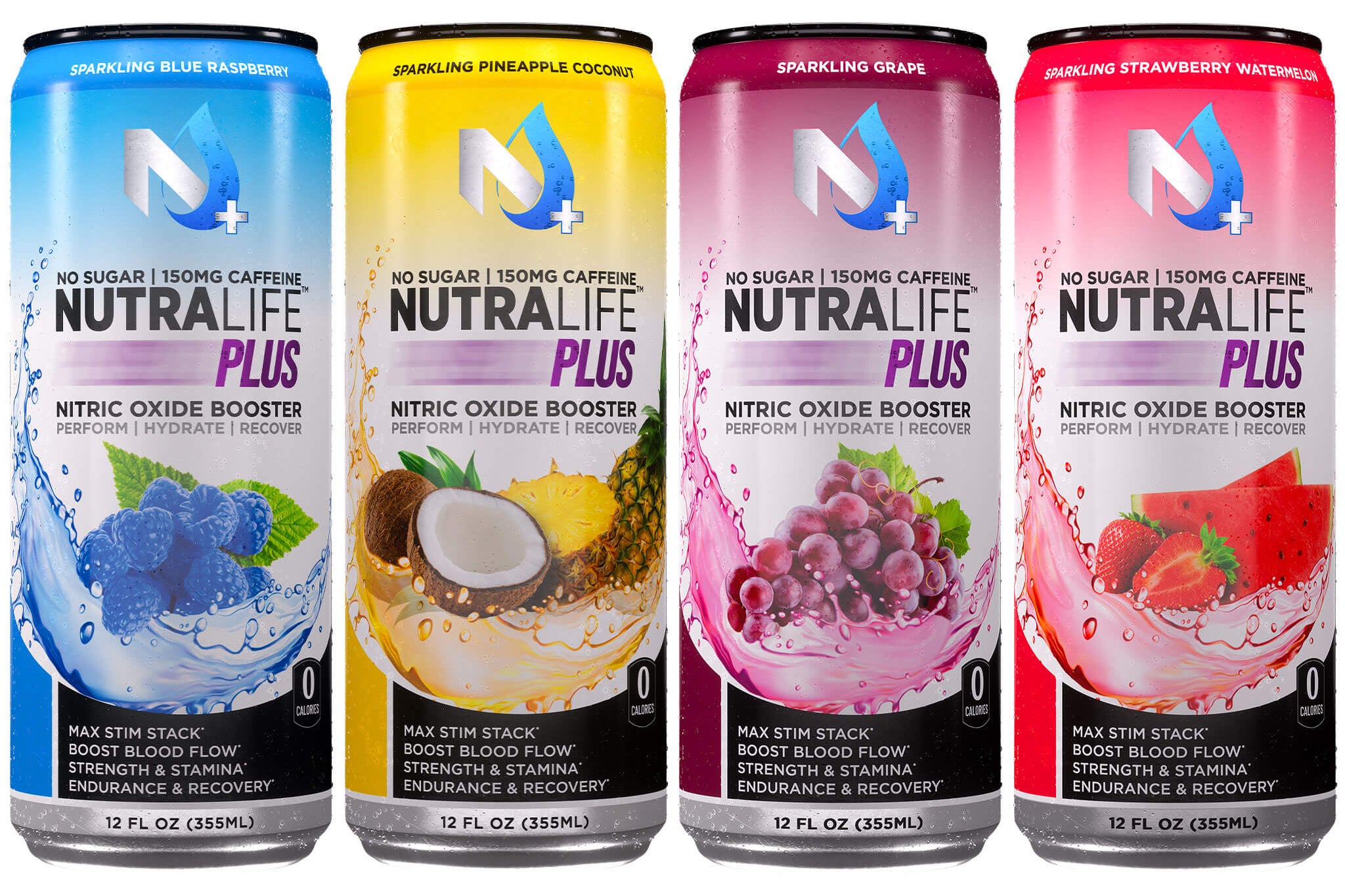
First: disclosed caffeine content. A clean energy product states its caffeine amount in milligrams on the label as an individual ingredient. Any product that does not disclose caffeine content, lists it inside a proprietary blend with only a total weight, or describes it ambiguously as "energy blend" is not providing the transparency that "clean energy" implies. NutraLife Plus states 150mg caffeine explicitly as an individual ingredient. The amount is verifiable against the research on effective caffeine dosing for athletes.
Second: absence of undisclosed stimulant compounds. Some energy products contain multiple stimulant ingredients hidden inside proprietary blends, making the total stimulant load unknown. A clean formula discloses every stimulant compound — caffeine, Dynamine™, or any other active compound — by name and individual dose.
Third: a formula designed for sustained energy rather than acute stimulant peak. High-dose single-compound caffeine products produce a sharp peak followed by a proportional drop. A clean energy formula at 150mg caffeine with 60mg Dynamine™ produces a distributed timeline without a sharp peak, with the combined stimulant load controlled and disclosed.
Red Flags on an Energy Drink Label
Undisclosed caffeine. If caffeine is listed inside a proprietary blend without a milligram amount, the dose is unknown. This is the most common red flag in the energy drink category.
Artificial colors listed prominently. Synthetic dyes serve no functional purpose in an energy formula. Their presence indicates formulation choices that prioritize appearance over function.
Multiple stimulant aliases. "Guarana extract," "yerba mate extract," and "green tea extract" are all caffeine-containing ingredients. A product listing several of these alongside stated caffeine may have a significantly higher total caffeine load than the label number indicates.
Taurine as a headline ingredient. Taurine is a conditionally essential amino acid with limited evidence for direct performance effects at typical beverage doses. Its prominent placement in energy drink marketing is disproportionate to its functional contribution at the doses used.
Proprietary blend covering the stimulant system. When the energy-producing components of a formula are grouped inside a proprietary blend, the total stimulant load is unverifiable. This is a transparency issue regardless of what the product claims about being "clean."
The Sucralose Question
NutraLife uses sucralose as a trace sweetener in the formula. Sucralose is a zero-calorie artificial sweetener that appears in the ingredient list. It is present in a trace quantity for palatability and is not a functional formula ingredient. Some consumers prefer to avoid artificial sweeteners entirely, and that is a valid preference. The NutraLife formula discloses sucralose openly in the ingredient list rather than obscuring it. A fully disclosed formula includes every component — functional and non-functional — because transparency is either complete or it is not.
For consumers specifically evaluating the sucralose content: it is present at trace levels typical of beverage sweetening applications, not at doses associated with the gastrointestinal effects sometimes reported with sucralose at higher functional food doses. It serves one purpose on the formula: making a clinically dosed functional beverage palatable enough to be consumed daily as a consistent practice.
Reading the Full Label
Apply this reading sequence to any energy drink label: find the caffeine amount in milligrams as an individual line item. Find every other stimulant compound and its individual dose. Confirm there is no proprietary blend obscuring the stimulant system. Check the ingredient list for artificial dyes. Then assess whether the non-stimulant formula ingredients — if any — are present at doses that produce the documented effects.
A product that passes all five checks is at minimum transparent. Whether it is the right formula for your training needs is a separate question from whether it is genuinely clean. For the full NutraLife Plus formula breakdown including every ingredient and dose, see The NutraLife Formula page. For how the caffeine and Dynamine™ system works, see What is Dynamine and how does it work differently than caffeine and 150mg caffeine: why less is more for sustained performance.
KEY TAKEAWAYS
Got Questions
Frequently Asked Questions
What does clean energy mean on a beverage label?
What is sucralose and why does NutraLife use it?
How is the caffeine in NutraLife Plus different from what is in a standard energy drink?
REFERENCES
NutraLife ingredient claims are supported by peer-reviewed published research. The following studies were referenced in the development of this page.
2. Temple JL, Bernard C, Lipshultz SE, et al. The safety of ingested caffeine: a comprehensive review. Frontiers in Psychiatry. 2017;8:80.
3. VanDusseldorp TA, Stratton MT, Bailly AR, et al. Safety of short-term supplementation with methylliberine (Dynamine) alone and in combination with TeaCrine in young adults. Nutrients. 2020;12(3):654.
4. Heckman MA, Weil J, Gonzalez de Mejia E. Caffeine in foods: a comprehensive review on consumption, functionality, safety, and regulatory matters. Journal of Food Science. 2010;75(3):R77-87.
5. McLellan TM, Caldwell JA, Lieberman HR. A review of caffeine's effects on cognitive, physical and occupational performance. Neuroscience and Biobehavioral Reviews. 2016;71:294-312.
6. Burke LM. Caffeine and sports performance. Applied Physiology, Nutrition, and Metabolism. 2008;33(6):1319-1334.
7. Spriet LL. Exercise and sport performance with low doses of caffeine. Sports Medicine. 2014;44(Suppl 2):S175-S184.
8. Maughan RJ, et al. IOC consensus statement: dietary supplements and the high-performance athlete. British Journal of Sports Medicine. 2018;52(7):439-455.
9. Fitch C, Keim KS. Position of the Academy of Nutrition and Dietetics: use of nutritive and nonnutritive sweeteners. Journal of the Academy of Nutrition and Dietetics. 2012;112(5):739-758.
10. Magnuson BA, Carakostas MC, Moore NH, et al. Biological fate of low-calorie sweeteners. Nutrition Reviews. 2016;74(11):670-689.
*These statements have not been evaluated by the Food and Drug Administration. This product is not intended to diagnose, treat, cure, or prevent any disease.

