
INGREDIENT COMPARISON
KSM-66 vs Ashwagandha

Ashwagandha
Clinically validated doses
Cortisol reduction data
Testosterone support studies
Standardized withanolide content
Full-spectrum root extract
Varies
Patented extraction process
Third-party clinical verification
What Separates a Patented Extract from Generic Ashwagandha
Got Questions
Frequently Asked Questions
What makes KSM-66 different from regular ashwagandha?
KSM-66 is a patented, full-spectrum ashwagandha root extract with a standardized withanolide content and over 24 clinical studies examining its effects. Standard ashwagandha extracts vary widely in withanolide concentration, extraction method, and the presence of root versus leaf content, which affects how closely any given product aligns with the research.
What dose of KSM-66 is used in clinical studies?
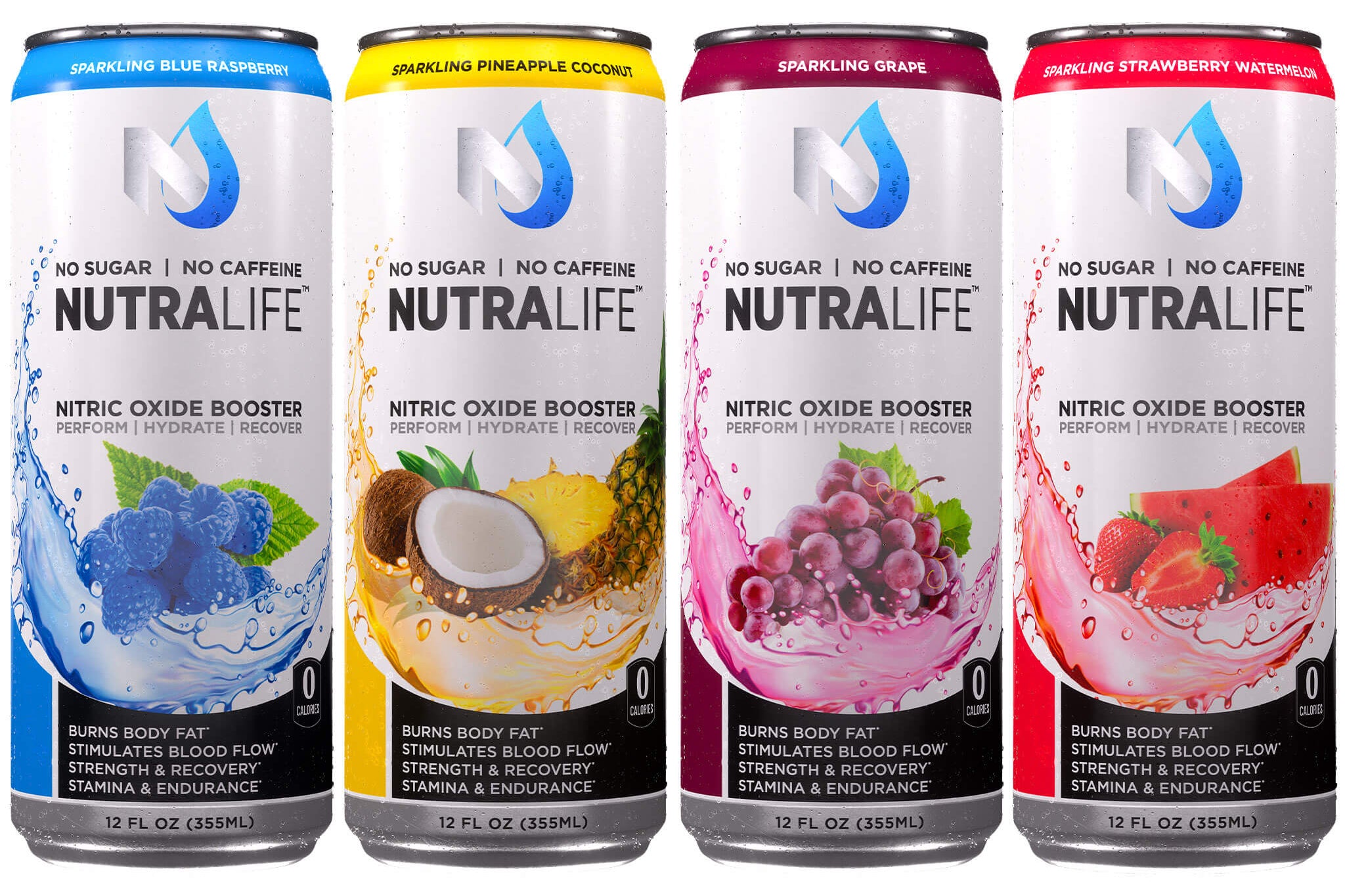
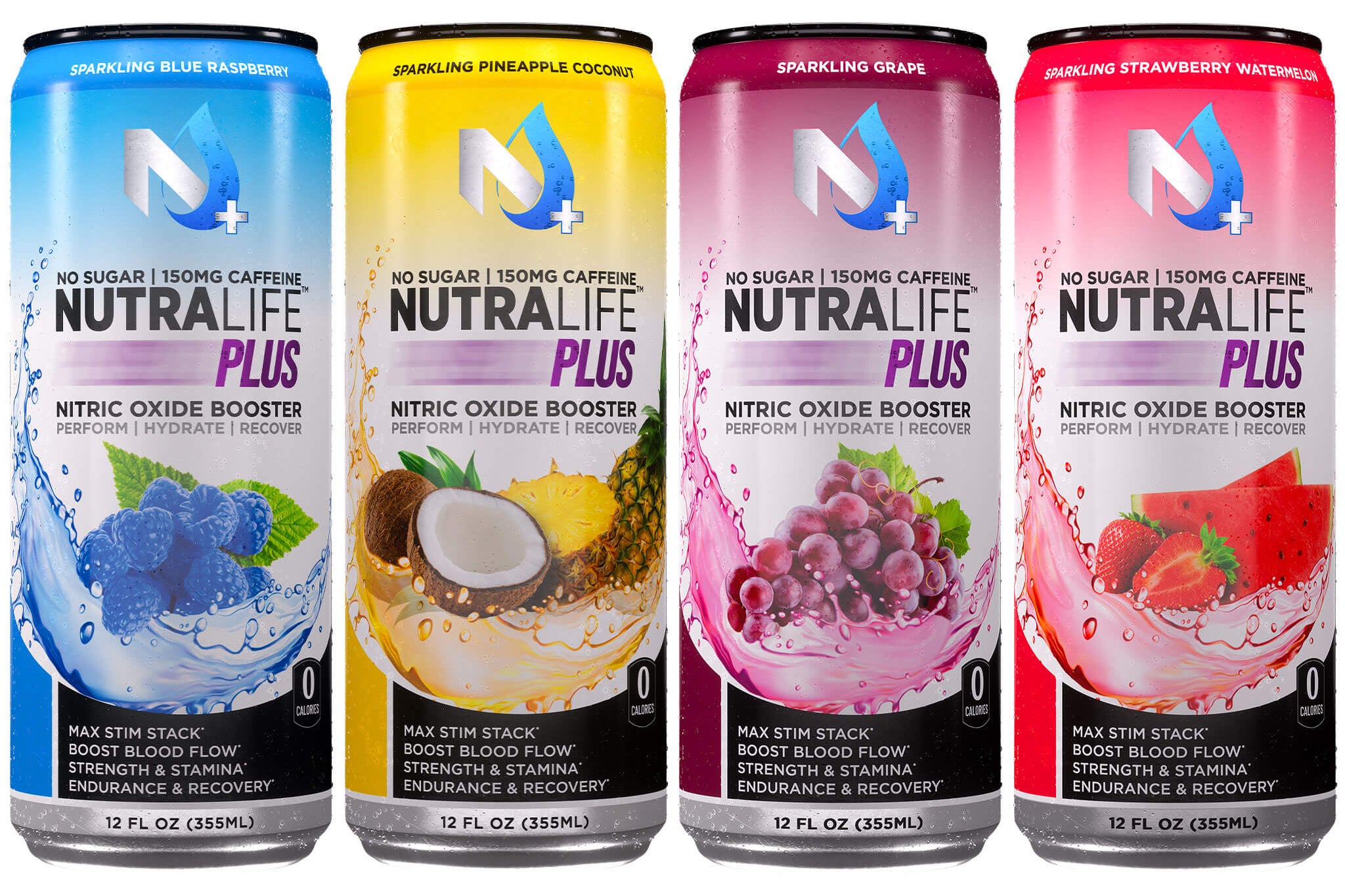
The clinical studies on KSM-66, including those showing cortisol reduction and testosterone support, typically use 300mg per day as the effective dose. NutraLife includes 150mg of KSM-66 per serving, reaching the 300mg clinical dose at two servings per day.
Does standard ashwagandha produce the same effects as KSM-66?
The research on cortisol reduction and testosterone support is concentrated on specific, standardized extracts like KSM-66, not on generic ashwagandha in general. Whether a standard ashwagandha supplement at an undisclosed dose produces the same effects is not supported by the same body of evidence.
What is the significance of withanolide standardization?
Withanolides are the primary active compounds in ashwagandha. Standardization means the extract contains a defined, consistent percentage of withanolides per dose. Without standardization, the amount of active compounds in any given ashwagandha supplement can vary significantly between batches and brands.
Is KSM-66 the form of ashwagandha used in NutraLife?
Yes. NutraLife includes KSM-66 at 150mg per serving. At the recommended two servings per day, the formula delivers 300mg of KSM-66, which is the dose used in the clinical studies on cortisol reduction, stress, and recovery.
Competitor product information reflects publicly available labeling at the time this page was last updated. Formulations change. Confirm current values on the manufacturer's label before making a purchase decision. NutraLife is not affiliated with, endorsed by, or sponsored by any brand referenced on this page.
*These statements have not been evaluated by the Food and Drug Administration. This product is not intended to diagnose, treat, cure, or prevent any disease.

