
PRODUCT COMPARISON
NutraLife vs Prime Energy


Blood flow support
Recovery support (KSM-66)
Dynamine methylliberine
Full electrolyte complex
Partial
Disclosed ingredient doses
Moderate caffeine (150mg)
Performance RTD formula
What Each Formula Is Built to Do
Got Questions
Frequently Asked Questions
How does the caffeine in NutraLife Plus compare to Prime Energy?
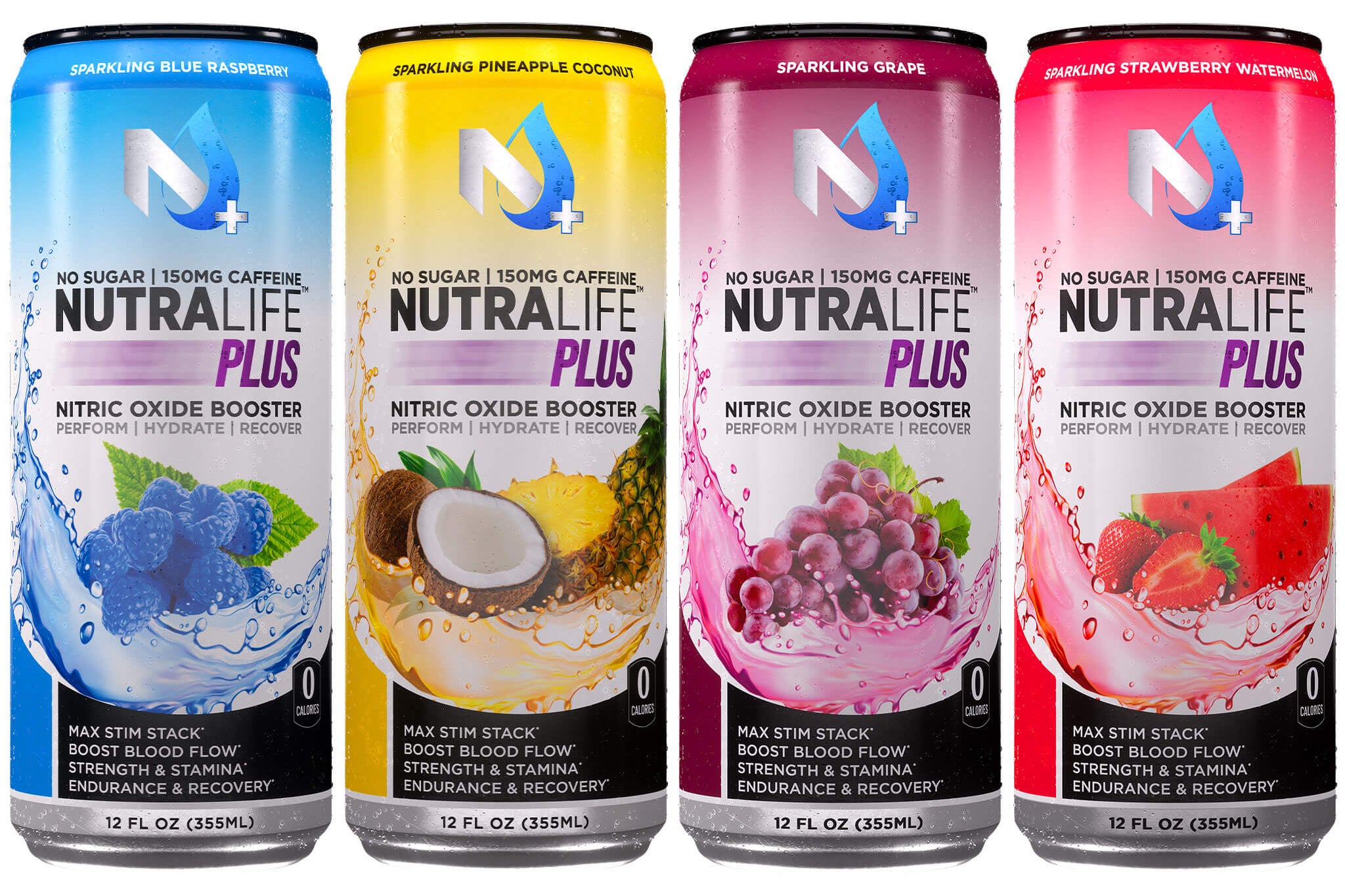
NutraLife Plus contains 150mg of caffeine per serving, while Prime Energy contains 200mg per 12oz can. NutraLife Plus pairs caffeine with Dynamine®, which is absorbed faster and covers the early part of the training window, reducing the need for a higher caffeine dose to achieve the same performance effect.
Does Prime Energy contain Nitrosigine or L-Citrulline?
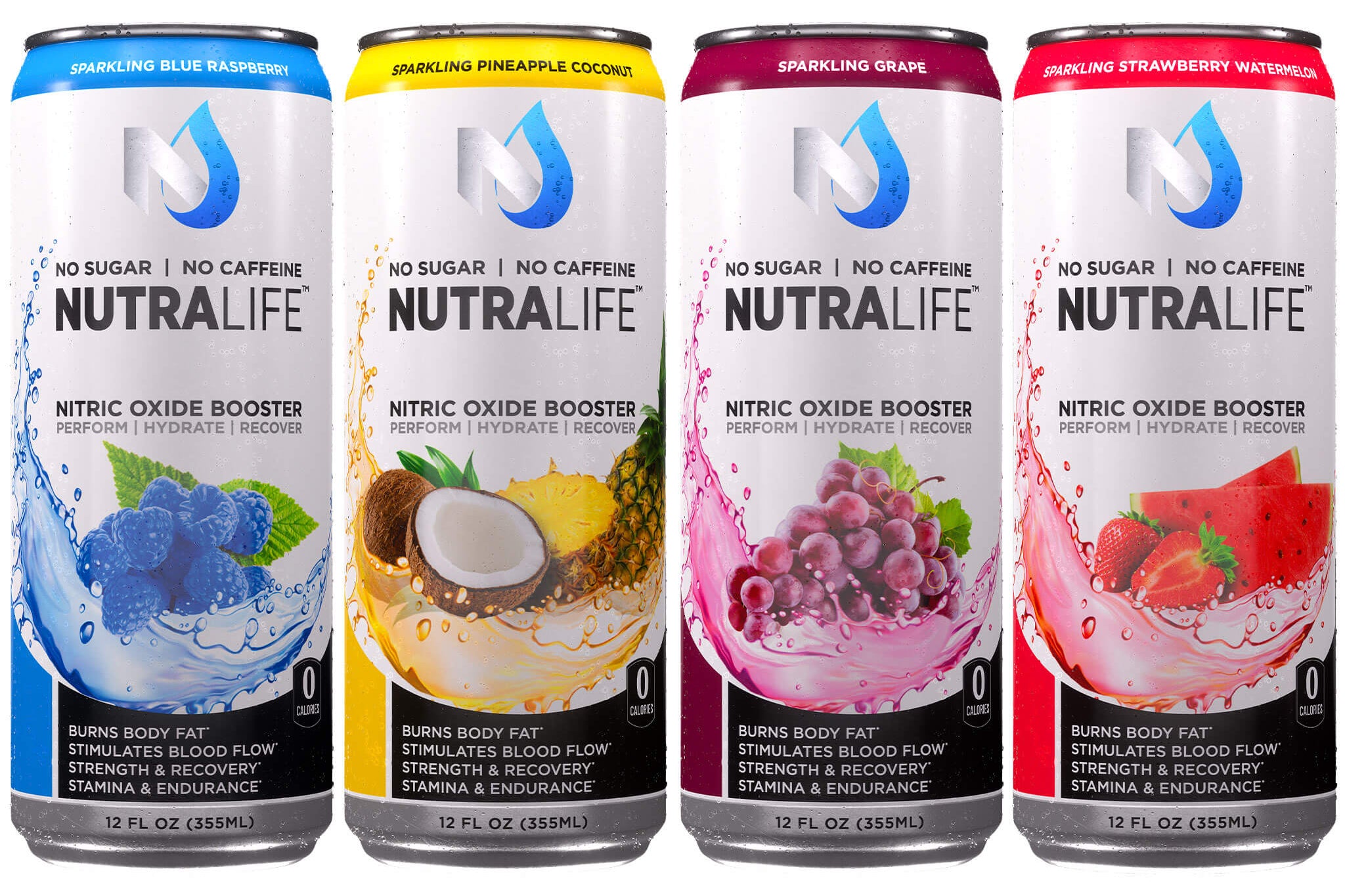
Prime Energy does not contain Nitrosigine® or L-Citrulline. Those ingredients are part of the NutraLife formula, present in both NutraLife and NutraLife Plus, where they work together as a dual nitric oxide system to support blood flow at clinical doses.
Are Prime Energy's ingredient doses disclosed on the label?
Prime Energy discloses the caffeine amount at 200mg per can. The amounts for taurine, L-theanine, inositol, and glucuronolactone are listed as ingredients but are not individually disclosed, which means they are part of a proprietary blend.
Does NutraLife Plus contain electrolytes?
Yes. NutraLife Plus contains a six-component electrolyte complex: 700mg potassium, 120mg magnesium, 75mg calcium, 40mg sodium, 10mg zinc, and 70mg vitamin C per serving. Prime Energy contains a more limited electrolyte profile.
What makes NutraLife Plus a performance-focused RTD?
NutraLife Plus is built around three clinical pillars: blood flow, recovery, and clean energy, each supported by ingredients at disclosed doses that align with published research. Nitrosigine®, L-Citrulline, KSM-66®, Dynamine®, and caffeine each serve a specific function in the formula, rather than providing general energy through caffeine alone.
Competitor product information reflects publicly available labeling at the time this page was last updated. Formulations change. Confirm current values on the manufacturer's label before making a purchase decision. NutraLife is not affiliated with, endorsed by, or sponsored by any brand referenced on this page.
*These statements have not been evaluated by the Food and Drug Administration. This product is not intended to diagnose, treat, cure, or prevent any disease.

