
BLOOD FLOW
How Blood Flow Affects Endurance and Recovery
Every performance and recovery variable that responds to training depends on blood flow. This article covers the mechanism, what happens under training load, and how the nitric oxide system in NutraLife supports both the performance window and the recovery period that follows.

Blood flow is the rate-limiting variable in endurance performance. Every system that determines athletic output, from oxygen delivery to working muscle to metabolic waste clearance during recovery, depends on circulation volume and vascular compliance. Nitric oxide is the primary biological signal through which the body regulates blood vessel diameter, and therefore the primary physiological target for endurance optimization in the sports science literature.
Why Blood Flow Determines Athletic Capacity
Blood performs three distinct functions during exercise that directly determine performance capacity. It carries oxygen from the lungs to working muscle, which drives aerobic energy production and directly limits how hard and how long an athlete can sustain output. It delivers glucose and amino acids to cells actively consuming them under training load. And it removes carbon dioxide, lactate, and metabolic byproducts that accumulate during intense effort and impair further output if not cleared efficiently.
The rate at which blood performs all three functions is determined by flow volume, which is controlled by vascular diameter. Wider vessels carry more blood per unit of time. Nitric oxide is what tells blood vessel walls to relax and widen. In an athletic context, this means nitric oxide output directly affects how quickly oxygen gets to working muscle, how efficiently waste gets out, and how fast nutrient delivery responds to increased metabolic demand during training.
What Happens to Blood Flow During Intense Exercise
During exercise, metabolic signals from working muscle trigger local vasodilation. The body redirects circulation toward active tissue and away from lower-demand areas like the digestive tract. Cardiac output increases. Blood flow to working muscle can increase by as much as 20-fold during maximal aerobic effort compared to resting levels, depending on fitness level and cardiovascular capacity.
The limiting factor in this process, for most athletes, is not heart rate or lung capacity. It is vascular response capacity and nitric oxide availability. A cardiovascular system that cannot rapidly signal and sustain adequate vasodilation encounters a ceiling before the heart or lungs do. This is why nitric oxide research in sports science focuses on vasodilation as the primary performance variable, not cardiac output or VO2 max directly.
Athletes with higher nitric oxide availability at the onset of exercise reach higher peak blood flow faster, sustain it longer, and experience less performance degradation as training intensity increases. These are measurable outcomes in published clinical research, not theoretical projections.
How Blood Flow Drives Recovery Between Sessions
Recovery is not the absence of exercise. It is an active biological process that requires blood flow for two reasons that are often treated as secondary concerns but are primary determinants of training frequency and long-term performance capacity.
The first is nutrient delivery. Muscle repair requires amino acids, glucose, and micronutrients delivered by circulation to the site of tissue damage. The rate of delivery affects how quickly the repair process can proceed. Inadequate post-exercise blood flow slows nutrient delivery and extends the time required to return to full performance capacity, which determines how frequently an athlete can train at high intensity before accumulated fatigue outpaces recovery.
The second is waste clearance. Lactate, damaged cell fragments, and inflammatory mediators produced during training must be removed from muscle tissue. Adequate post-exercise blood flow accelerates this process. Persistent elevated blood flow in the hours following a training session is associated with faster perceived recovery and faster measurable return to performance output in published exercise physiology research.
Where Nitrosigine Fits in the Recovery Window
Nitrosigine® sustains measurable blood flow effects for up to 6 hours at the 1,500mg dose documented in clinical research. This duration is not coincidental in the context of recovery biology. The 6-hour window covers the immediate post-training clearance period and the early repair phase that follows, both of which depend on circulation volume for their rate and completeness.
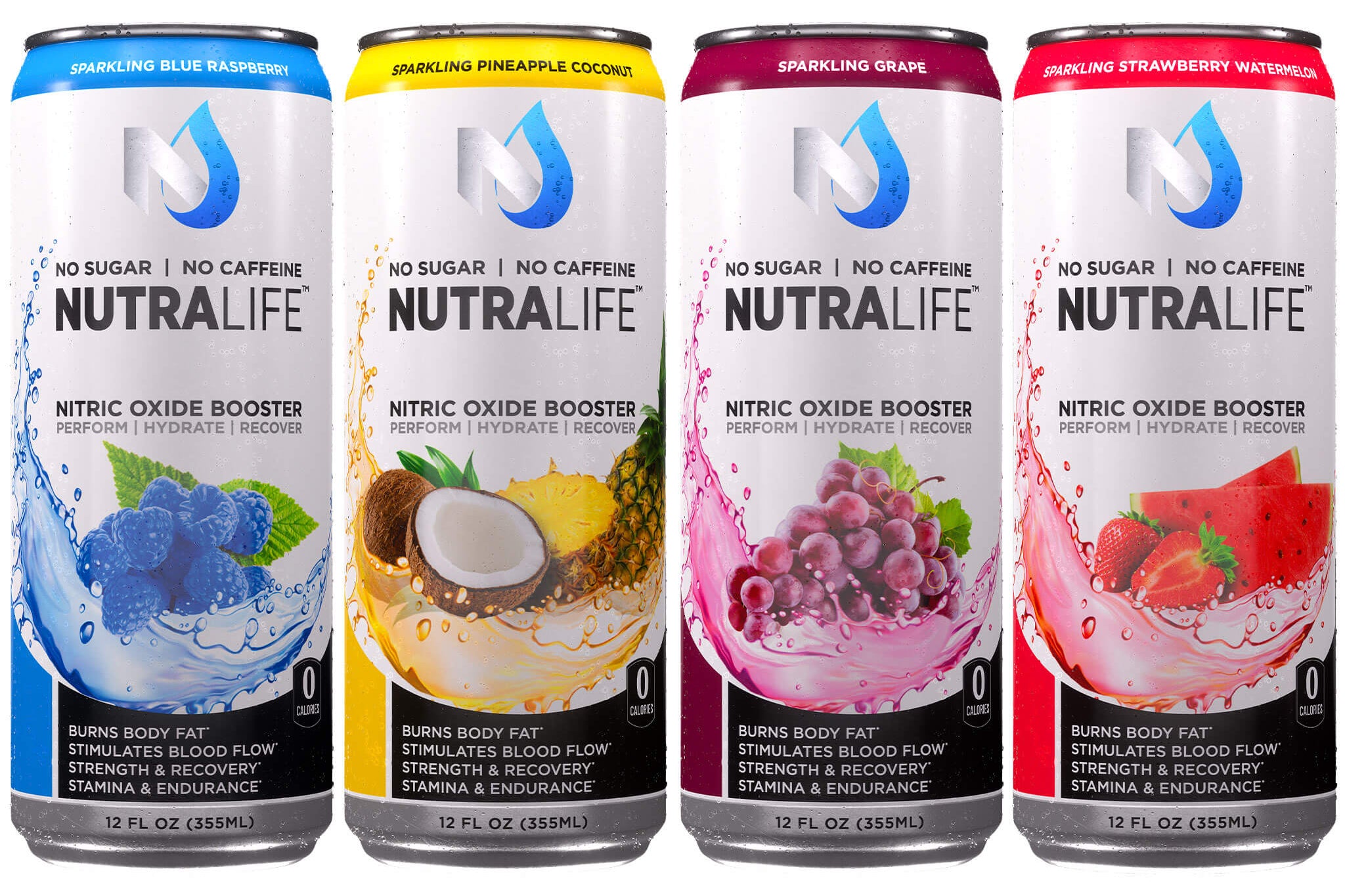
For athletes consuming NutraLife 30 minutes before training, this means Nitrosigine® is at peak activity during the session and continues producing measurable blood flow effects through the first several hours of recovery without requiring a second product or a different recovery protocol. See the Nitrosigine® ingredient page for the complete clinical evidence base on onset time and duration at 1,500mg.
How the Dual System Addresses Both the Performance and Recovery Windows
NutraLife uses Nitrosigine® at 1,500mg and L-Citrulline at 1,000mg operating simultaneously through complementary mechanisms. Nitrosigine® delivers arginine directly to the vascular endothelium where nitric oxide synthesis occurs, producing measurable vasodilation within 30 minutes. L-Citrulline bypasses the gut entirely, converts to arginine in the kidneys through the urea cycle, and continuously replenishes the arginine pool that feeds ongoing nitric oxide production.
The practical outcome is high-output nitric oxide support from session onset through the recovery window, without requiring multiple products timed to different phases of training and recovery. For the mechanism breakdown on how the two ingredients interact, see L-Citrulline and Nitrosigine: how they work together.
The Two-Serving Daily Protocol and Compounding Blood Flow Support
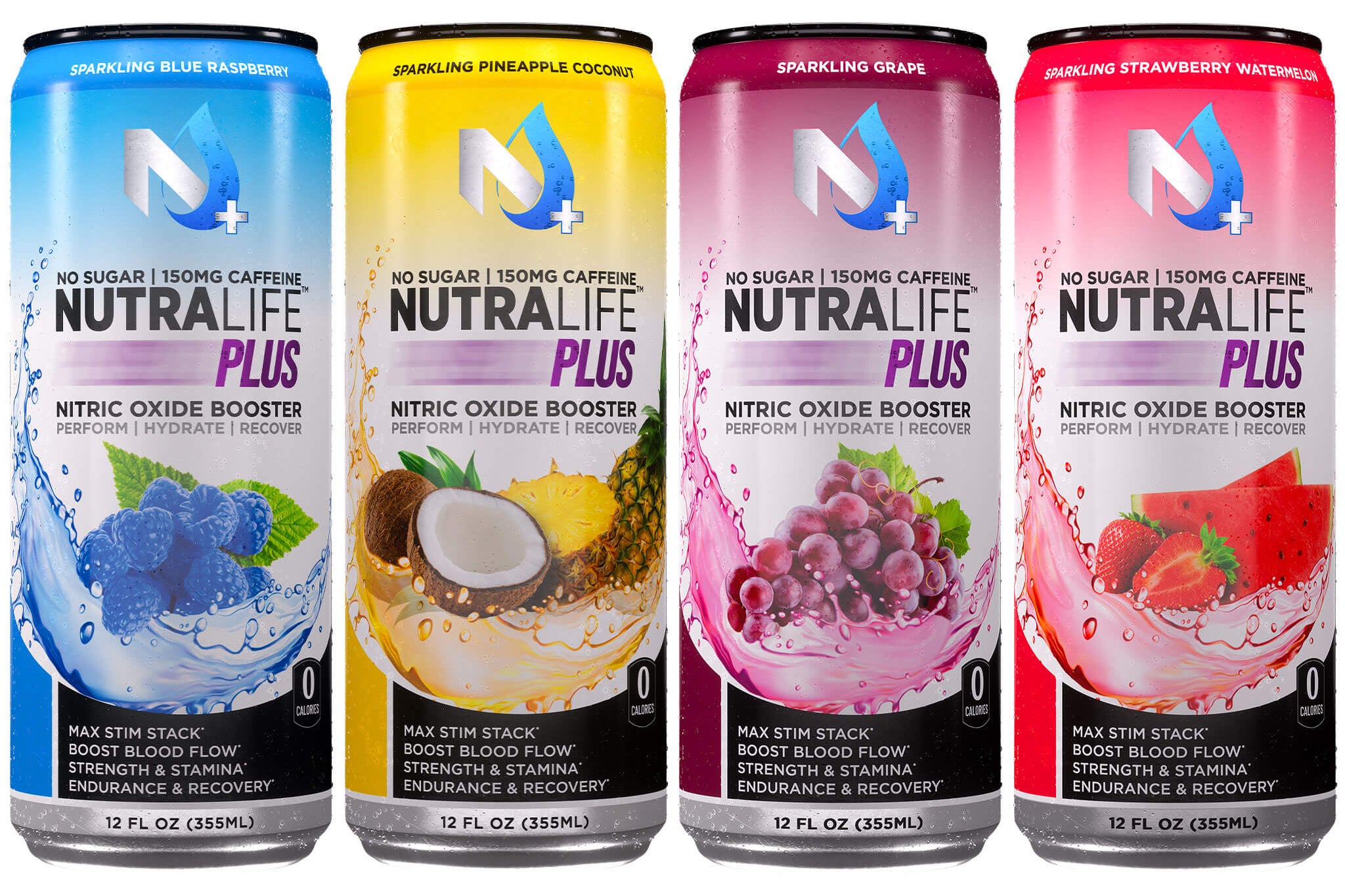
NutraLife is designed for two servings daily. At two servings, blood flow support is continuous rather than session-specific. The nitric oxide system does not benefit from pre-workout dosing alone. Consistent daily elevation of nitric oxide activity produces vascular adaptations over time that compound with training adaptations: improved vascular compliance, enhanced endothelial function, and more responsive vasodilation as a baseline state.
This is the distinction between acute supplementation and a daily performance system. Acute pre-workout dosing addresses the blood flow demand of a single session. Daily consistent dosing builds the vascular baseline from which each session begins. Both are relevant, and the two-serving NutraLife protocol addresses both simultaneously. See the full framework on The Complete Guide to Nitric Oxide for Athletes.
KEY TAKEAWAYS
Got Questions
Frequently Asked Questions
How does blood flow affect endurance performance?
Does improving blood flow speed up recovery after training?
Can blood flow be improved with nutrition and supplementation, or is it fixed by training alone?
REFERENCES
NutraLife ingredient claims are supported by peer-reviewed published research. The following studies were referenced in the development of this page.
2. Rood-Ojalvo S, Sandler D, Veledar E, Komorowski J. The benefits of inositol-stabilized arginine silicate as a workout ingredient. Journal of the International Society of Sports Nutrition. 2015;12(Suppl 1):P14.
3. Proctor SD, Kelly SE, Vine DF, et al. Inositol-stabilized arginine silicate demonstrates dose-dependent improvement in endurance exercise performance in competitive male cyclists. FASEB Journal. 2019.
4. Figueroa A, Wong A, Jaime SJ, Gonzales JU. Influence of L-citrulline and watermelon supplementation on vascular function and exercise performance. Current Opinion in Clinical Nutrition and Metabolic Care. 2017;20(1):92-98.
5. Gonzalez AM, Trexler ET. Effects of citrulline supplementation on exercise performance in humans. Journal of Strength and Conditioning Research. 2020;34(5):1480-1495.
6. Bailey SJ, Winyard P, Vanhatalo A, et al. Dietary nitrate supplementation reduces the O2 cost of low-intensity exercise and enhances tolerance to high-intensity exercise in humans. Journal of Applied Physiology. 2009;107(4):1144-1155.
7. Schwedhelm E, Maas R, Freese R, et al. Pharmacokinetic and pharmacodynamic properties of oral L-citrulline and L-arginine: impact on nitric oxide metabolism. British Journal of Clinical Pharmacology. 2008;65(1):51-59.
8. Westerblad H, Allen DG, Lannergren J. Muscle fatigue: lactic acid or inorganic phosphate the major cause? News in Physiological Sciences. 2002;17:17-21.
9. Komorowski J, Ojalvo SP. A pharmacokinetic evaluation of the duration of effect of inositol-stabilized arginine silicate and inositol alone. FASEB Journal. 2019;33(1_supplement).
10. Lundberg JO, Weitzberg E, Gladwin MT. The nitrate-nitrite-nitric oxide pathway in physiology and therapeutics. Nature Reviews Drug Discovery. 2008;7(2):156-167.
*These statements have not been evaluated by the Food and Drug Administration. This product is not intended to diagnose, treat, cure, or prevent any disease.

